
Backflow Testing in San Bernardino vs. Other CA Cities: A Comparison


Understanding Backflow Testing
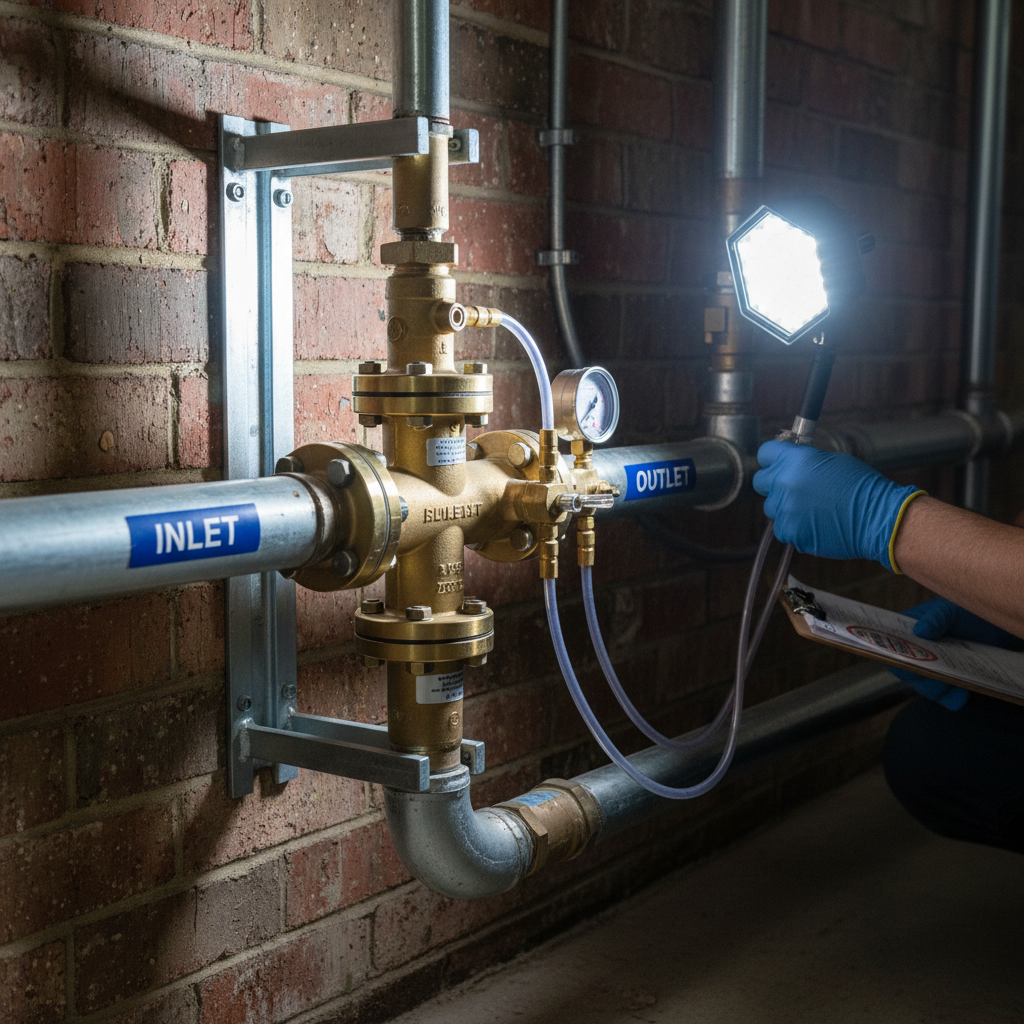
Backflow testing is a crucial process in maintaining the safety and quality of water supplies. It involves checking backflow prevention devices to ensure they are functioning correctly and preventing contaminated water from flowing back into the clean water supply. This is particularly important in areas with complex water systems, such as urban environments.
In California, backflow testing is mandatory for many properties, especially those with irrigation systems, fire sprinklers, or industrial activities. San Bernardino, like other cities in the state, follows strict regulations to ensure public health and safety.
Backflow Testing in San Bernardino
San Bernardino has specific guidelines and schedules for backflow testing. The city requires annual testing of backflow prevention devices by certified professionals. This ensures that all devices are in optimal condition, preventing potential contamination of the water supply.
The city government provides resources and lists of certified testers, making it easy for property owners to comply with regulations. There is also a strong emphasis on public awareness, with regular updates and reminders sent out to residents.

Comparison with Other CA Cities
While the basic principles of backflow testing are consistent across California, there are differences in how cities implement these regulations. For example, larger cities like Los Angeles may have more complex water systems and therefore more stringent testing requirements. On the other hand, smaller cities might have less frequent testing schedules.
Some cities offer incentives to encourage compliance, such as discounts on testing fees or penalties for non-compliance. This can vary widely, affecting the overall cost and ease of maintaining backflow prevention devices.
Testing Frequency and Regulations
In cities like San Francisco and San Diego, the frequency of testing can vary depending on the type of property and the potential risk of contamination. Industrial areas might require more frequent testing compared to residential areas. San Bernardino maintains a consistent annual schedule to simplify compliance for all property owners.

Public Awareness and Support
The level of public awareness and support provided by city governments also differs. San Bernardino is proactive in educating its residents about the importance of backflow testing. This is crucial in ensuring compliance and maintaining the integrity of the water supply.
- Educational workshops and seminars
- Online resources and guides
- Community engagement initiatives
Other cities may not have as robust a program, which could lead to lower compliance rates and increased risk of water contamination.
Conclusion
In conclusion, while the core principles of backflow testing remain the same across California, implementation and public engagement can vary significantly. San Bernardino sets a strong example with its comprehensive approach, ensuring both compliance and public safety. By understanding these differences, property owners can better navigate the requirements in their respective cities.