
Case Study: Successful Backflow Prevention in San Bernardino Homes


Introduction to Backflow Prevention
Backflow prevention is a crucial aspect of maintaining safe and clean water systems, especially in residential areas. In San Bernardino, homeowners have increasingly recognized the importance of implementing effective backflow prevention measures to protect their water supply from contamination.
Backflow occurs when water flows in the reverse direction, potentially introducing contaminants into the clean water supply. This case study explores the successful implementation of backflow prevention strategies in San Bernardino homes.
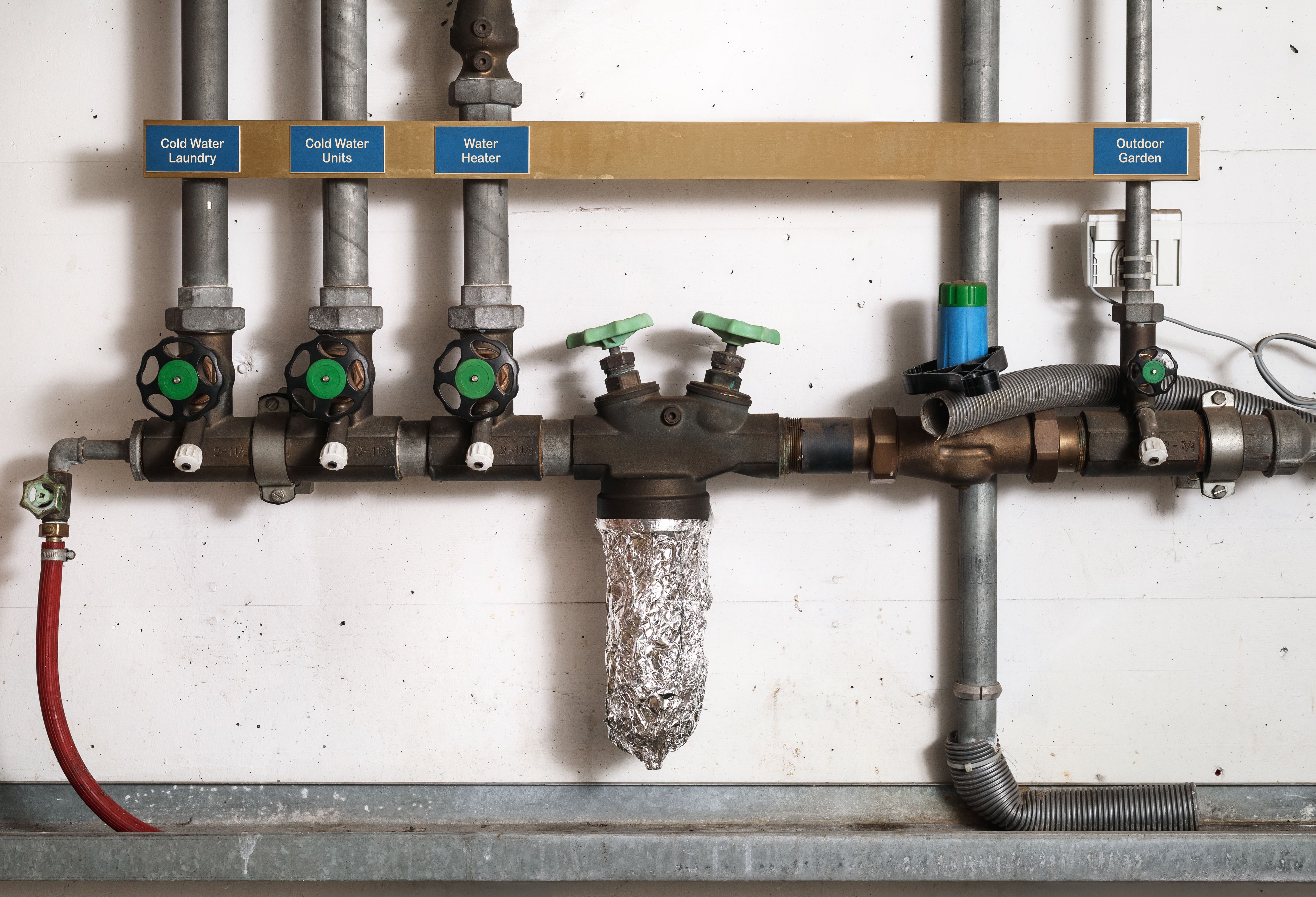
Understanding the Need for Backflow Prevention
Backflow can be caused by a variety of factors, including changes in water pressure, faulty valves, or improper connections. These issues can lead to serious health risks as contaminants enter the potable water system. To combat these risks, San Bernardino has been proactive in educating homeowners about the importance of backflow prevention.
Education initiatives have been key in raising awareness about the potential hazards of backflow. Homeowners are encouraged to regularly inspect their plumbing systems and ensure that backflow prevention devices are properly installed and maintained.
Types of Backflow Prevention Devices
Several types of backflow prevention devices are available, each suited to different needs and circumstances. Common devices include:
- Air Gap: A physical separation between the water source and potential contaminants.
- Reduced Pressure Zone (RPZ) Valve: Provides a barrier between potable and contaminated water using pressure differences.
- Double Check Valve Assembly (DCVA): Offers a double layer of protection with two check valves.
Case Study: Implementation in San Bernardino
The city of San Bernardino launched an initiative to assist homeowners in installing and maintaining backflow prevention devices. This initiative included subsidies for device installation, workshops for education, and regular inspections to ensure compliance.
One notable success story involved a neighborhood that experienced frequent backflow incidents due to outdated plumbing. By collaborating with local plumbers and city officials, residents were able to upgrade their systems, significantly reducing the risk of contamination.
Results and Benefits
The implementation of these measures has led to numerous benefits for the community. Residents have experienced a significant decrease in waterborne illnesses and have greater peace of mind knowing their water supply is protected. Additionally, the initiative has helped improve overall water quality in the area.

Lessons Learned
The success in San Bernardino serves as a model for other communities facing similar challenges. Key takeaways include the importance of community involvement, the need for ongoing education, and the benefits of government support in implementing preventative measures.
Future efforts will focus on expanding the program to include more neighborhoods and continuing to promote the importance of regular maintenance and inspections.
Conclusion
Backflow prevention is essential for safeguarding public health and ensuring a reliable water supply. San Bernardino's proactive approach has demonstrated how effective community collaboration and education can be in addressing this critical issue. By sharing these successes, other regions can adopt similar strategies to enhance their water safety measures.