
Case Study: Successful Backflow Prevention in San Bernardino Homes


Introduction to Backflow Prevention
Backflow prevention is a critical aspect of maintaining safe and clean water in residential areas. In San Bernardino, efforts to implement successful backflow prevention have led to significant improvements in water quality and safety for homeowners. This case study explores how these measures were successfully implemented and the benefits experienced by the community.

The Importance of Backflow Prevention
Backflow occurs when water flows backward through the water supply system, potentially contaminating clean water with harmful substances. This can happen due to changes in pressure, and it poses a significant health risk. Therefore, implementing effective backflow prevention systems is essential to safeguard public health.
San Bernardino's approach to backflow prevention involved the installation of advanced devices that automatically prevent contaminated water from entering the potable water supply. These devices ensure that water only flows in the intended direction, protecting the community from possible contaminants.
Steps Taken in San Bernardino
The city initiated a comprehensive program to assess the existing water systems and identify areas vulnerable to backflow issues. Here are the key steps involved:
- Conducting thorough inspections of residential water systems.
- Installing backflow prevention devices in identified high-risk areas.
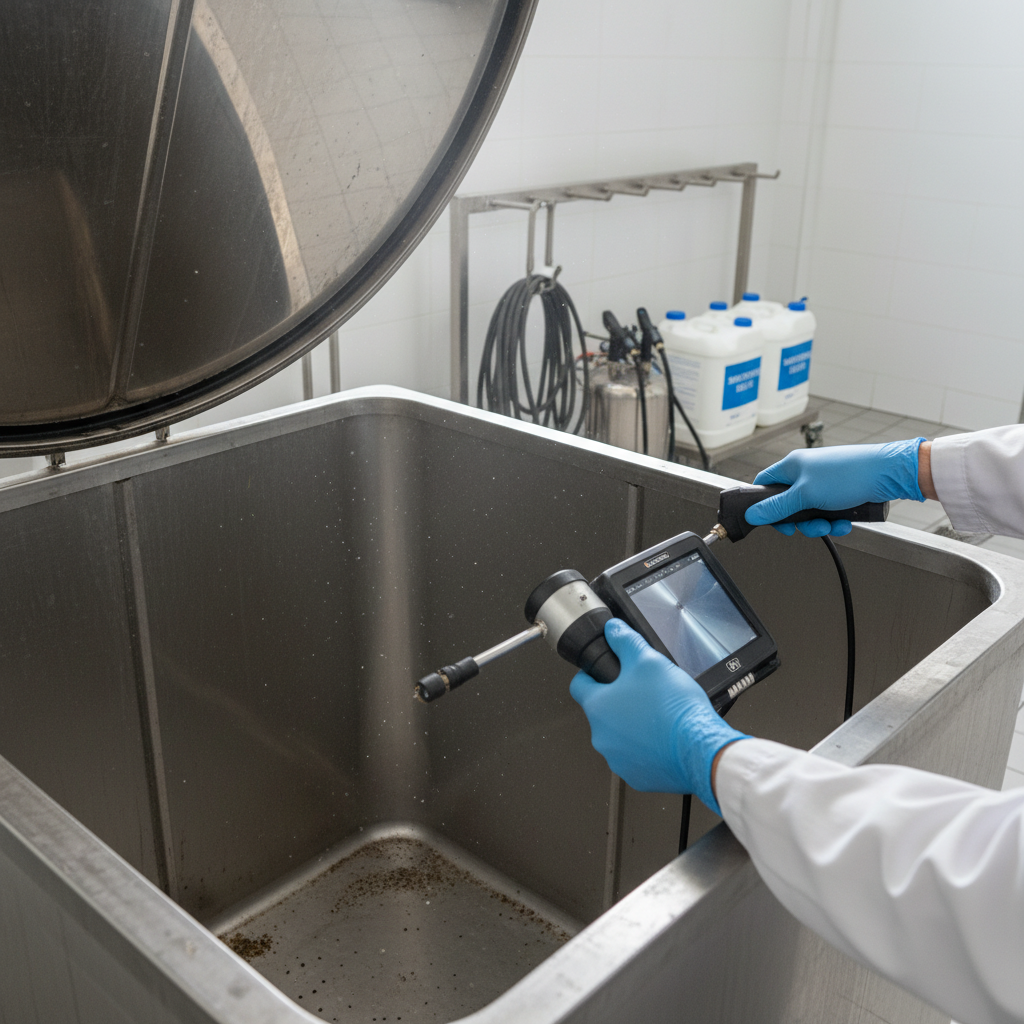
- Regularly maintaining and testing these devices to ensure functionality.
Community Involvement
Community involvement played a pivotal role in the program's success. Local authorities organized workshops and information sessions to educate homeowners about the importance of backflow prevention and how they could contribute to maintaining a safe water supply.
Residents were encouraged to report any issues with their water systems and participate in scheduled maintenance checks. This collaborative approach ensured that the community was well-informed and invested in the program's success.
Outcomes and Benefits
The implementation of backflow prevention measures in San Bernardino has resulted in several positive outcomes. Residents have reported fewer issues with water quality, and there has been a noticeable reduction in health-related incidents linked to water contamination.

Moreover, the program has enhanced the overall trust in the local water supply system. By ensuring clean and safe water for all, the initiative has significantly contributed to the well-being of the community.
Lessons Learned
The success of San Bernardino's backflow prevention efforts offers valuable lessons for other communities. Key takeaways include the importance of regular maintenance, community engagement, and the use of advanced technology to prevent backflow.
By prioritizing these elements, other regions can replicate San Bernardino's success and ensure the safety of their water supply systems.
Conclusion
San Bernardino's proactive approach to backflow prevention serves as a model for effective water management. By investing in the right infrastructure and fostering community collaboration, the city has set a benchmark for ensuring safe and clean water for all its residents.