
Common Misconceptions About Backflow Prevention in San Bernardino


Understanding Backflow Prevention
Backflow prevention is a critical aspect of maintaining a safe and healthy water supply. However, there are many misconceptions surrounding the topic, especially in areas like San Bernardino where water safety is paramount. Understanding the truth behind these misconceptions can help homeowners and businesses make informed decisions.
Misconception 1: Backflow Devices Are Only Needed for Large Properties
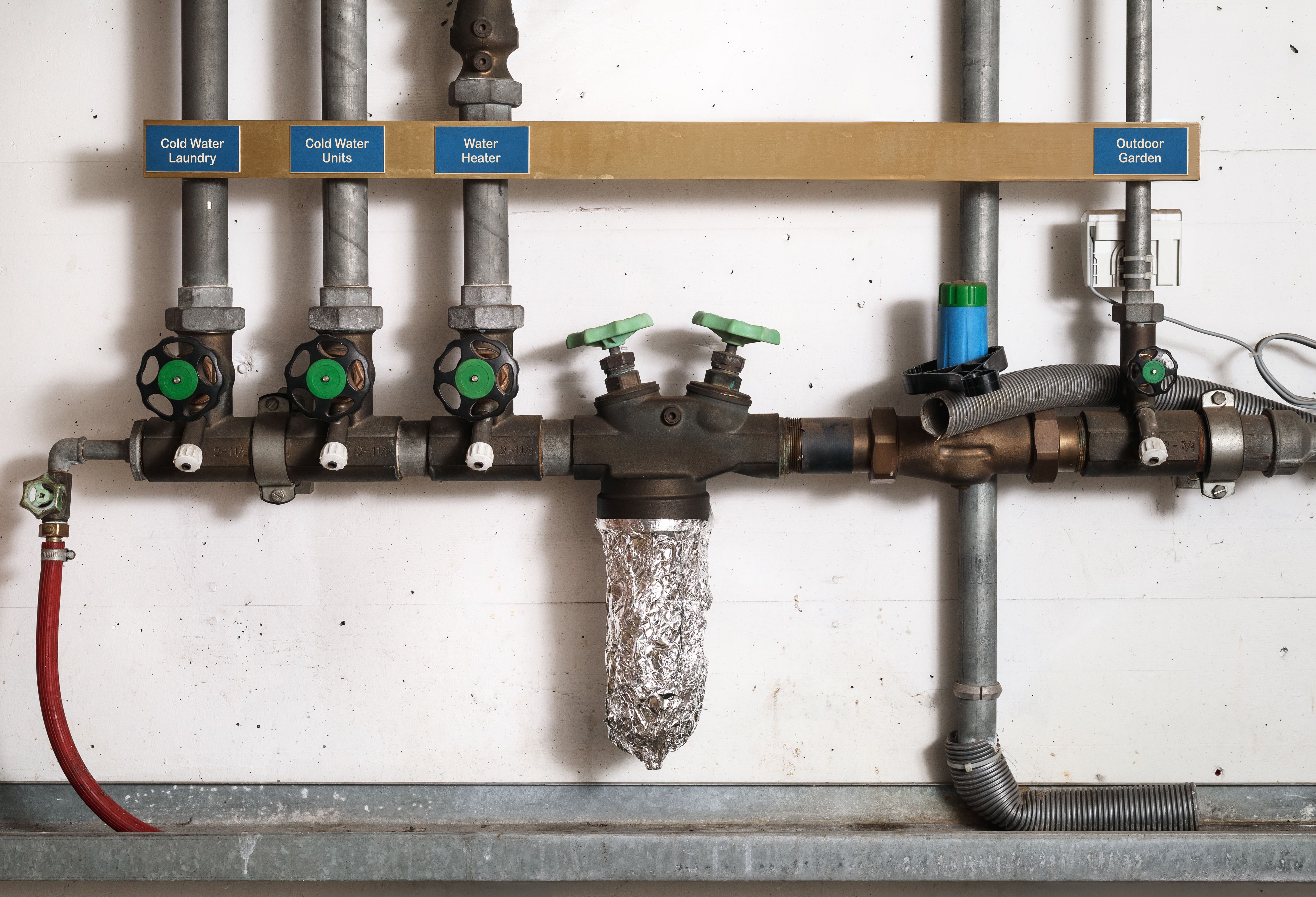
Many people believe that backflow prevention devices are only necessary for large commercial properties. This is not true. Even small residential homes can benefit from these devices. Backflow can occur in any plumbing system, potentially contaminating the water supply with hazardous substances.
Both residential and commercial properties are at risk, and installing a backflow prevention device is a proactive step in safeguarding your water.
Misconception 2: Backflow Prevention Is Only About Drinking Water
While drinking water contamination is a significant concern, backflow prevention encompasses much more. Non-potable water systems, such as irrigation and fire suppression systems, also require backflow prevention to avoid contamination of clean water sources.
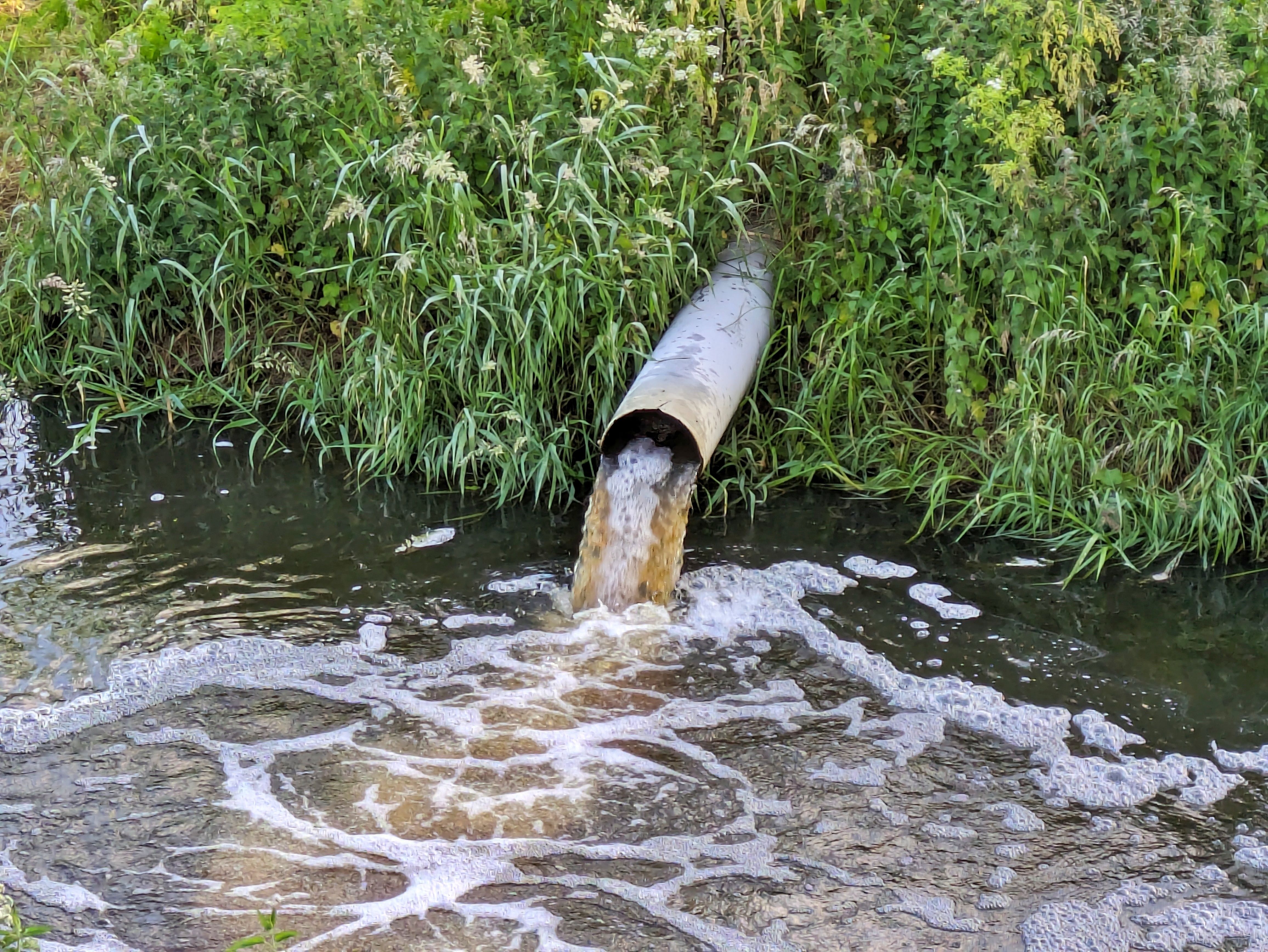
Ensuring comprehensive protection across all water systems is essential for community health and safety.
Misconception 3: All Backflow Prevention Devices Are the Same
Backflow prevention devices come in various types, each designed for specific situations. Common types include pressure vacuum breakers, double check valves, and reduced pressure zone devices. Each type has unique features and is suited for different levels of risk and types of installations.
- Pressure Vacuum Breakers: Ideal for irrigation systems.
- Double Check Valves: Suitable for low to medium hazard levels.
- Reduced Pressure Zone Devices: Used for high hazard situations, providing the highest level of protection.
Misconception 4: Once Installed, Backflow Devices Require No Maintenance
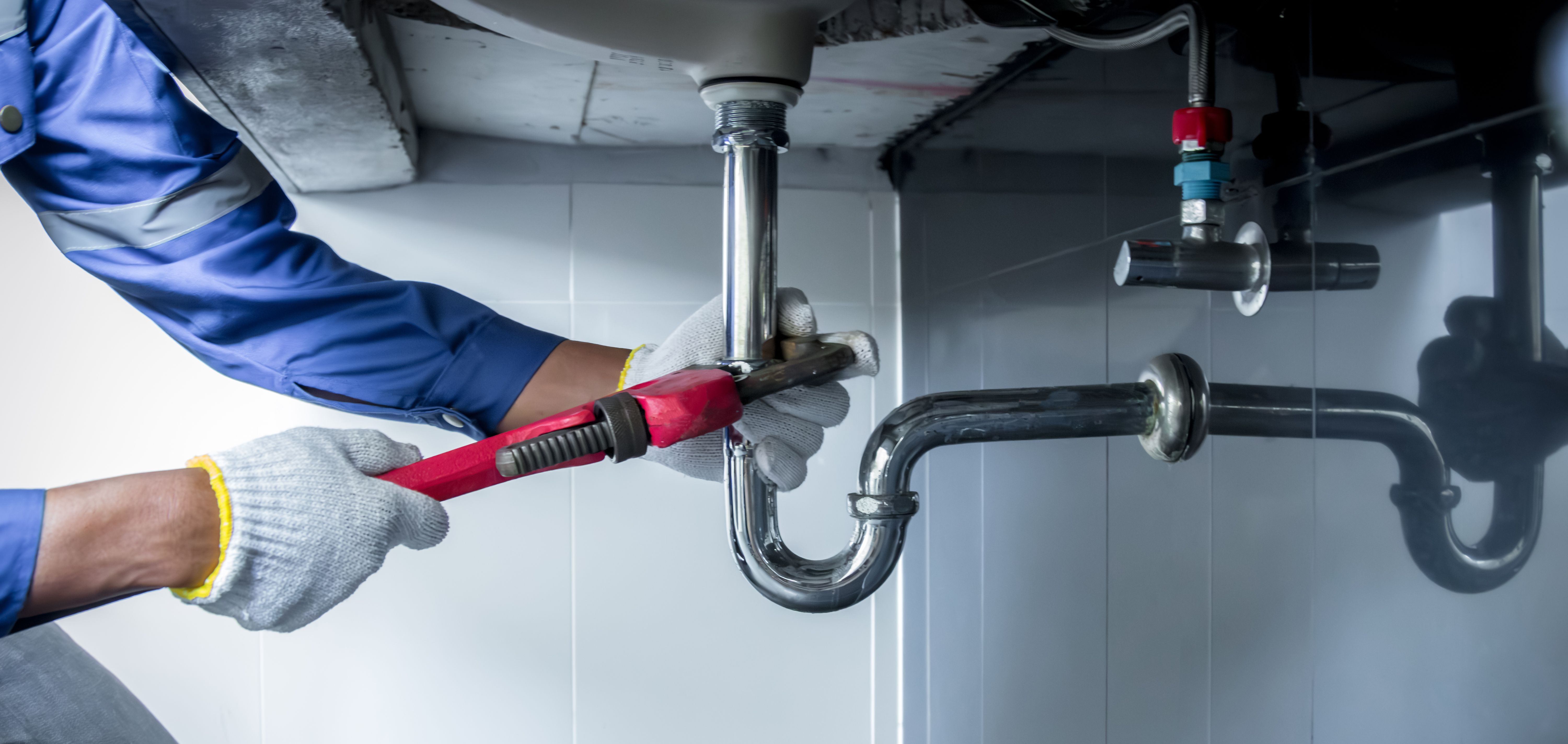
It's a common belief that backflow devices are a "set it and forget it" solution. However, regular maintenance and testing are crucial to ensure they function properly. In San Bernardino, annual testing by a certified professional is often required by law.
Regular maintenance helps in identifying potential issues early, ensuring continuous protection of your water supply.
Misconception 5: Backflow Prevention Is Expensive and Unnecessary
Some view backflow prevention as an unnecessary expense. However, the cost of installing and maintaining these devices is minimal compared to the potential costs associated with a contaminated water supply. Protecting public health and avoiding costly cleanups or legal issues make backflow prevention a wise investment.
Understanding these misconceptions can help property owners in San Bernardino make informed decisions about their water safety, ultimately protecting both their health and their investment.