
DIY Guide: How to Identify and Address Common Backflow Issues


Understanding Backflow
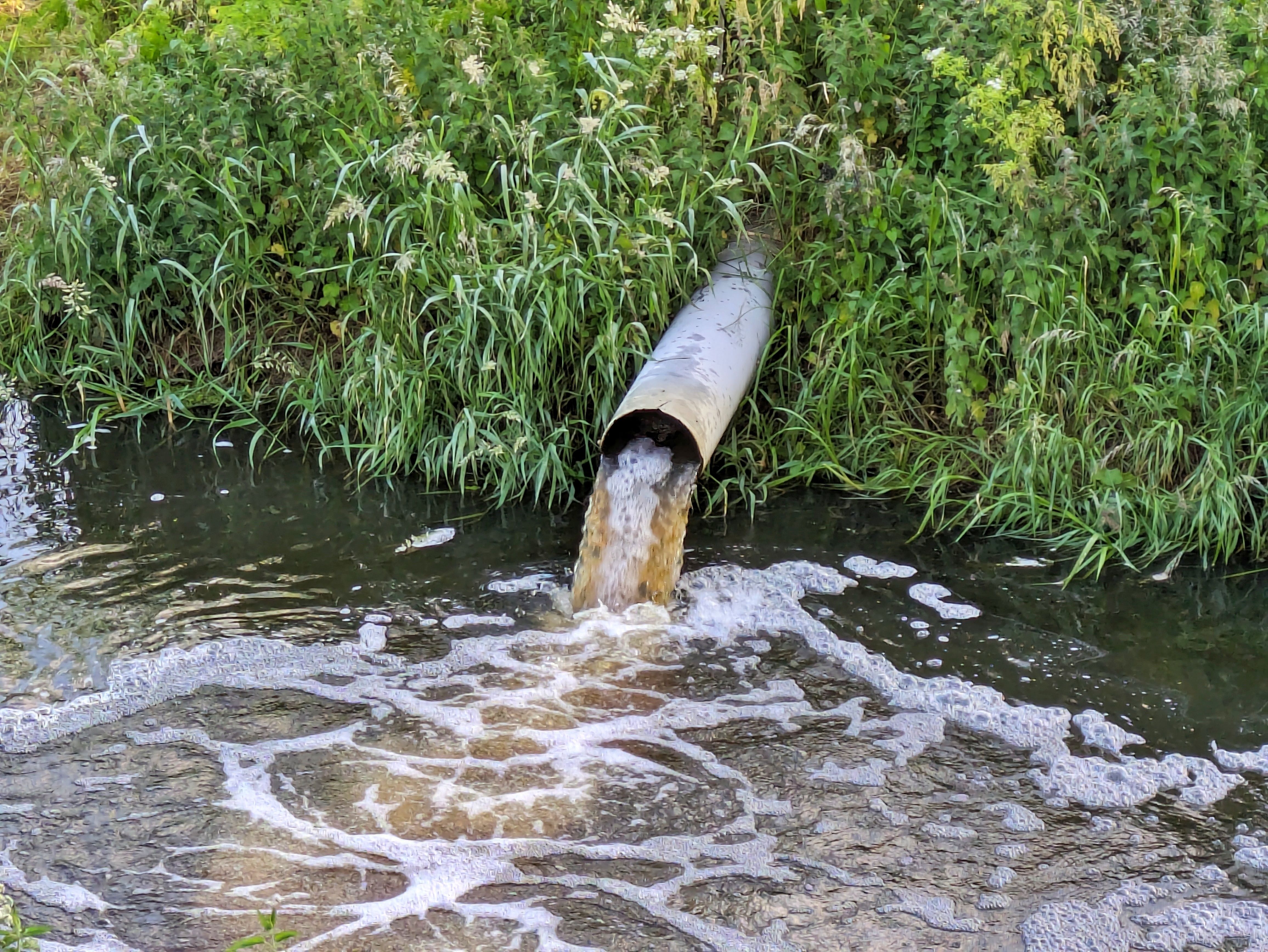
Backflow occurs when water reverses direction and flows back into the public water supply. This can lead to contamination and poses a significant health risk. Understanding how to identify and address backflow issues is crucial for maintaining a safe water supply in your home.
Common Causes of Backflow
Several factors can lead to backflow, including changes in water pressure, faulty valves, or cross-connections between potable and non-potable water systems. It's essential to be aware of these causes to prevent potential issues.
Pressure Changes
Pressure changes in the water system can cause backflow. For instance, when there's a heavy demand for water during firefighting, or if a water main breaks, the pressure may drop, allowing contaminated water to flow back into the system.
Cross-Connections
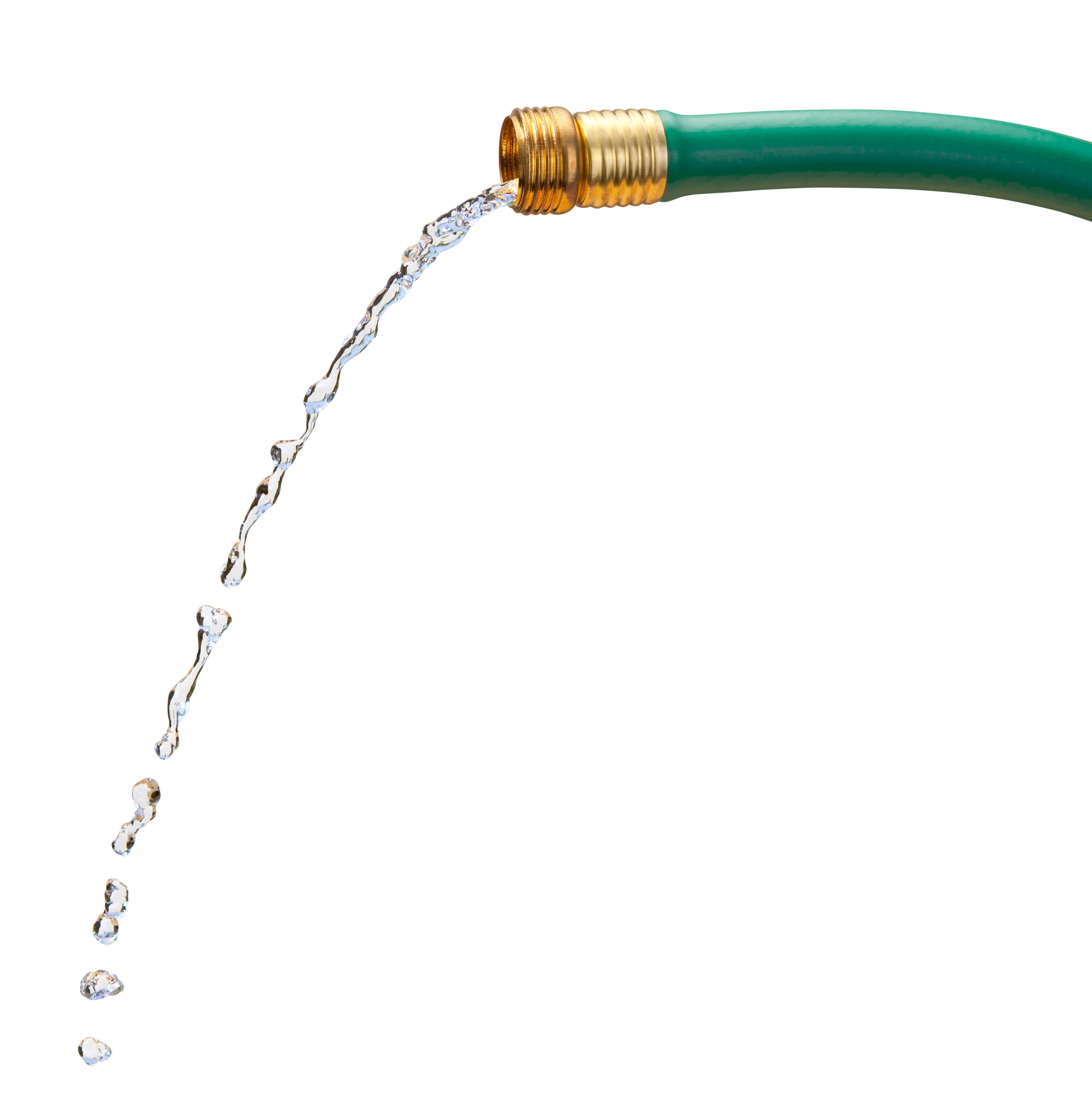
A cross-connection occurs when a potable water source connects directly or indirectly with a non-potable source. This can happen with garden hoses submerged in pools or connected to a pesticide sprayer, creating a pathway for contaminants.
Identifying Backflow Issues
Being able to identify the signs of backflow can help you address issues before they become severe. Here are some indicators:
- Discolored water or unusual taste and odor.
- Visible debris in the water.
- Sudden changes in water pressure.
DIY Solutions to Address Backflow
While some backflow issues require professional intervention, there are several DIY solutions you can attempt to mitigate the problem.
Installing Backflow Preventers
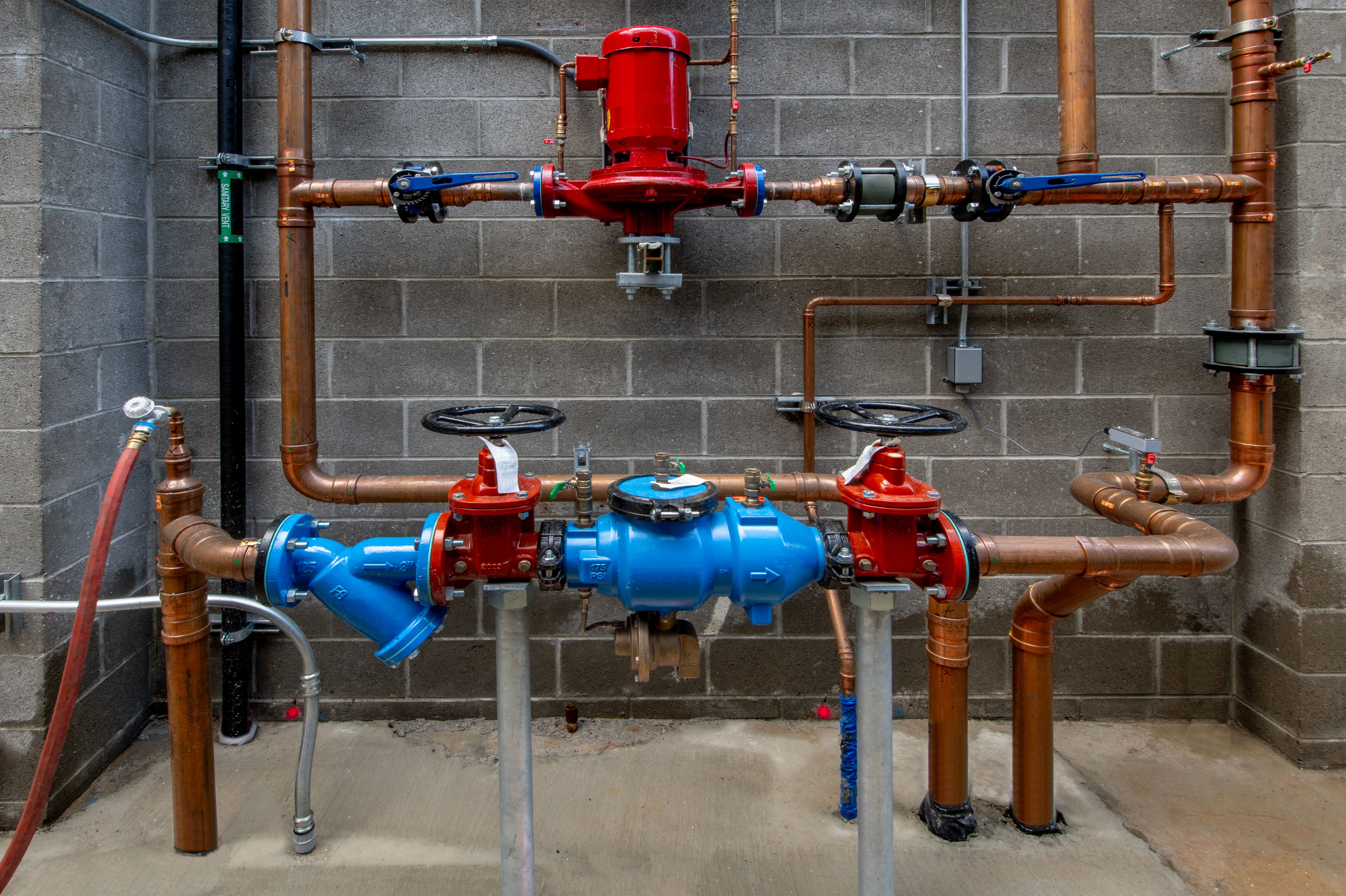
One of the most effective ways to prevent backflow is by installing a backflow preventer. These devices create a one-way flow of water, ensuring that contaminated water cannot reverse into the clean water supply.
Regular Maintenance
Regular maintenance of plumbing systems can prevent backflow. Check for leaks, ensure that valves are functioning correctly, and replace worn-out parts promptly. Keeping your system in good repair is a proactive way to avoid backflow issues.
When to Call a Professional
While DIY solutions can be effective, there are times when a professional plumber is necessary. If you experience persistent backflow issues or are unsure how to handle the situation, seeking professional help is wise.
Professionals can conduct thorough inspections, test for contaminants, and ensure that your water system complies with local regulations. This not only protects your home but also safeguards public health.