
DIY Water Safety: Simple Backflow Prevention Tips


Ensuring the safety of your home's water supply is crucial. One common issue that homeowners face is backflow, which can contaminate your water with harmful substances. Luckily, there are simple DIY methods to prevent this problem and keep your water safe.
Understanding Backflow
Backflow occurs when the normal flow of water reverses due to changes in pressure. This unwanted reverse flow can introduce contaminants into your clean water supply. It's essential to understand the causes and prevention methods to protect your home.
Backflow can be caused by various factors, such as sudden drops in water pressure or faulty plumbing. Knowing these causes can help you take proactive measures to prevent them.
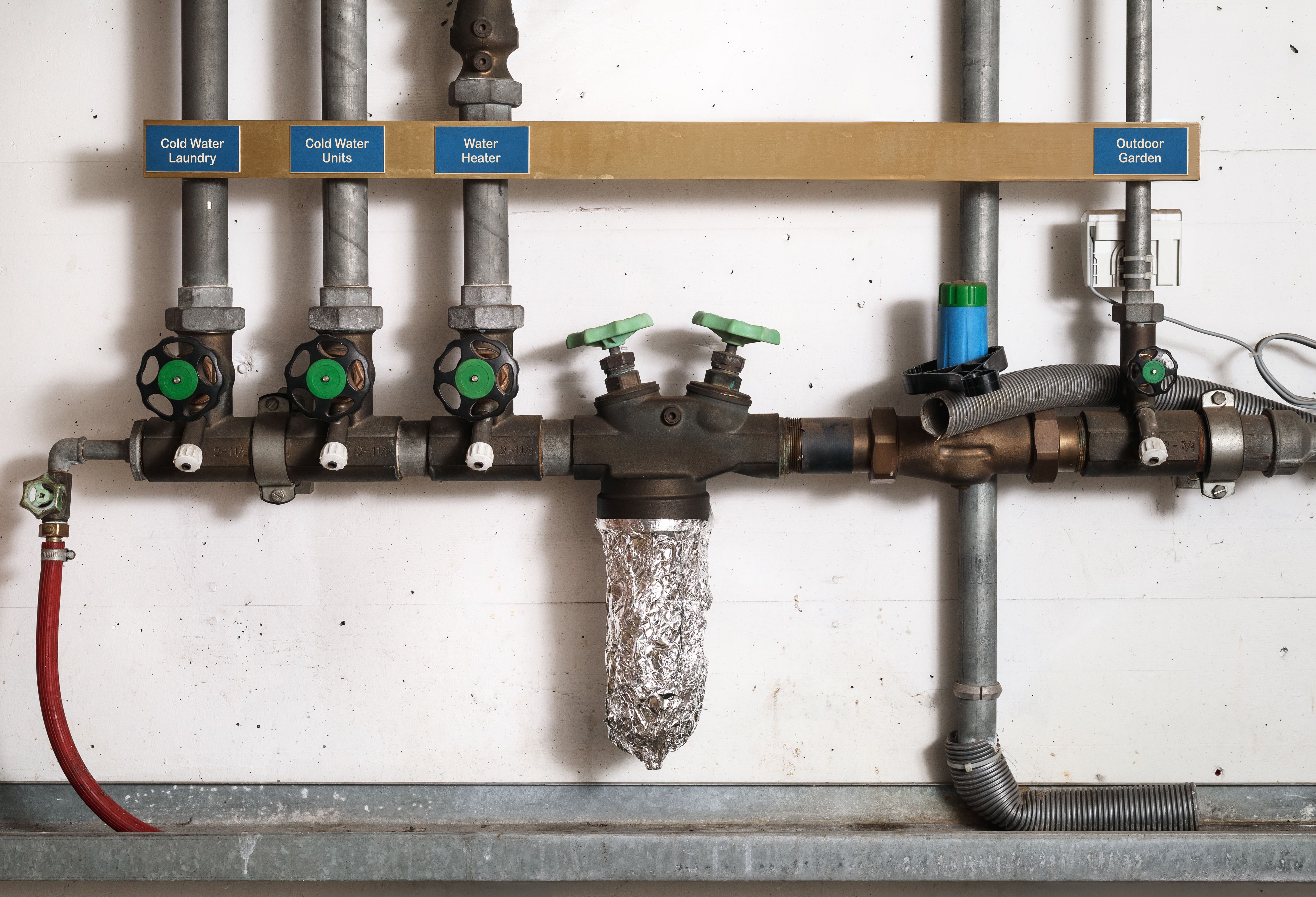
Install a Backflow Prevention Device
Choosing the Right Device
There are different types of backflow prevention devices available, including reduced pressure zone (RPZ) assemblies and double-check valve assemblies. Selecting the right one depends on your specific needs and plumbing system.
Consult with a professional if you're unsure which device is suitable for your home. Proper installation is key to ensuring its effectiveness.
DIY Installation Tips
If you decide to install a backflow prevention device yourself, make sure to follow these steps:
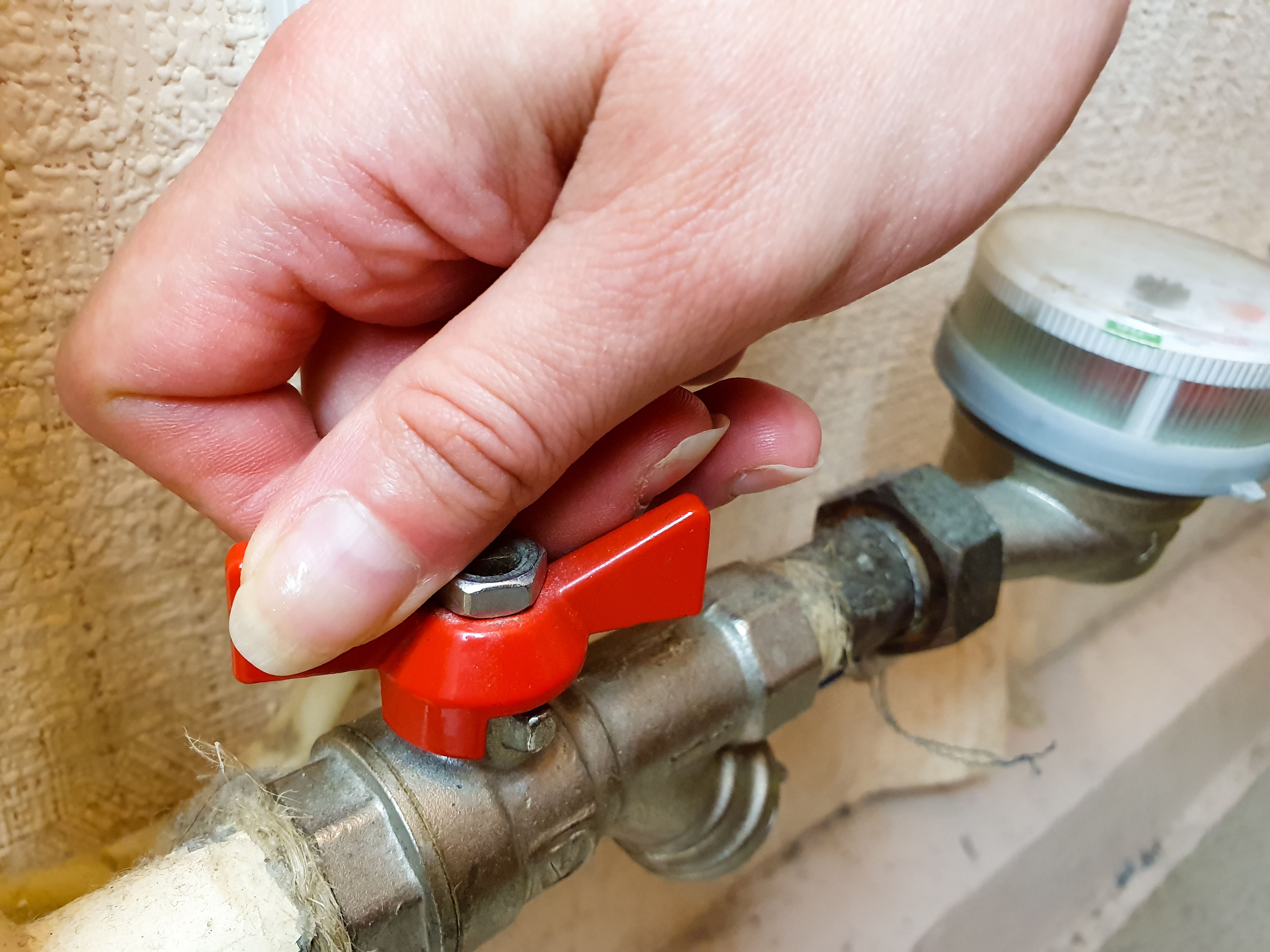
- Turn off the main water supply.
- Drain any remaining water from the pipes.
- Carefully follow the manufacturer's installation instructions.
- Test the device to ensure it's working properly.
Regular Maintenance
Once your backflow prevention device is installed, regular maintenance is essential. Check it periodically to ensure it's functioning correctly and hasn't developed any leaks or damage.
Signs of Trouble
Keep an eye out for signs of backflow issues, such as discolored water, strange odors, or unusual pressure changes. These could indicate a problem that needs immediate attention.
Addressing these signs promptly can prevent more significant issues and ensure your water supply remains clean and safe.
Additional Tips for Water Safety
- Ensure all hose connections have backflow prevention devices.
- Regularly inspect outdoor faucets and irrigation systems.
- Educate family members on the importance of water safety and backflow prevention.
By taking these simple DIY steps, you can significantly reduce the risk of backflow and ensure that your home's water remains safe and clean. Regular maintenance and vigilance are key to effective water safety.