
Expert Advice on Preventing Backflow Issues in California Homes


Understanding Backflow and Its Risks
Backflow is a plumbing issue that occurs when water flows in the reverse direction, potentially contaminating clean water supplies. This can happen due to changes in pressure within the water system, such as a drop in municipal water pressure or an increase in pressure on the consumer's side. For California homeowners, preventing backflow is crucial to maintaining safe and clean water.
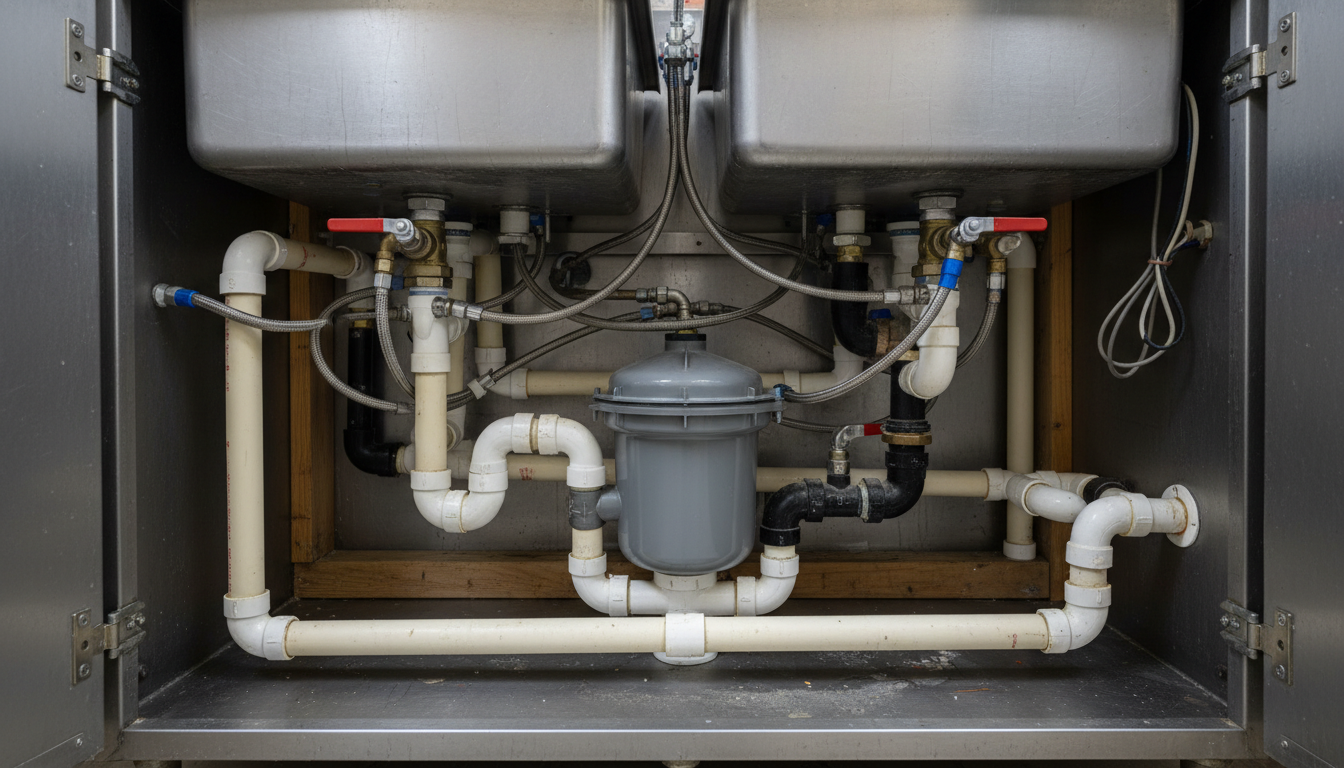
Common Causes of Backflow
There are several causes of backflow in residential settings. Some of the most common include:
- Pressure Changes: Sudden drops in water pressure, often due to firefighting activities or main breaks.
- Cross-Connections: Improper connections between potable and non-potable water systems.
- Faulty Valves: Malfunctioning backflow prevention devices or valves.
Recognizing the Signs
Identifying the signs of a potential backflow issue is vital. Homeowners should be vigilant for indicators such as discolored water, unusual tastes or odors, and fluctuating water pressure. These can all suggest a possible backflow problem that needs immediate attention.

Preventive Measures for Homeowners
Preventing backflow begins with proper installation and maintenance of plumbing systems. Here are some key actions homeowners can take:
- Install Backflow Prevention Devices: Ensure that devices like air gaps or backflow prevention assemblies are properly installed and maintained.
- Regular Inspection: Schedule annual inspections with certified professionals to check for any potential issues.
- Avoid Cross-Connections: Be aware of and eliminate any cross-connections between potable and non-potable water.
Professional Assistance
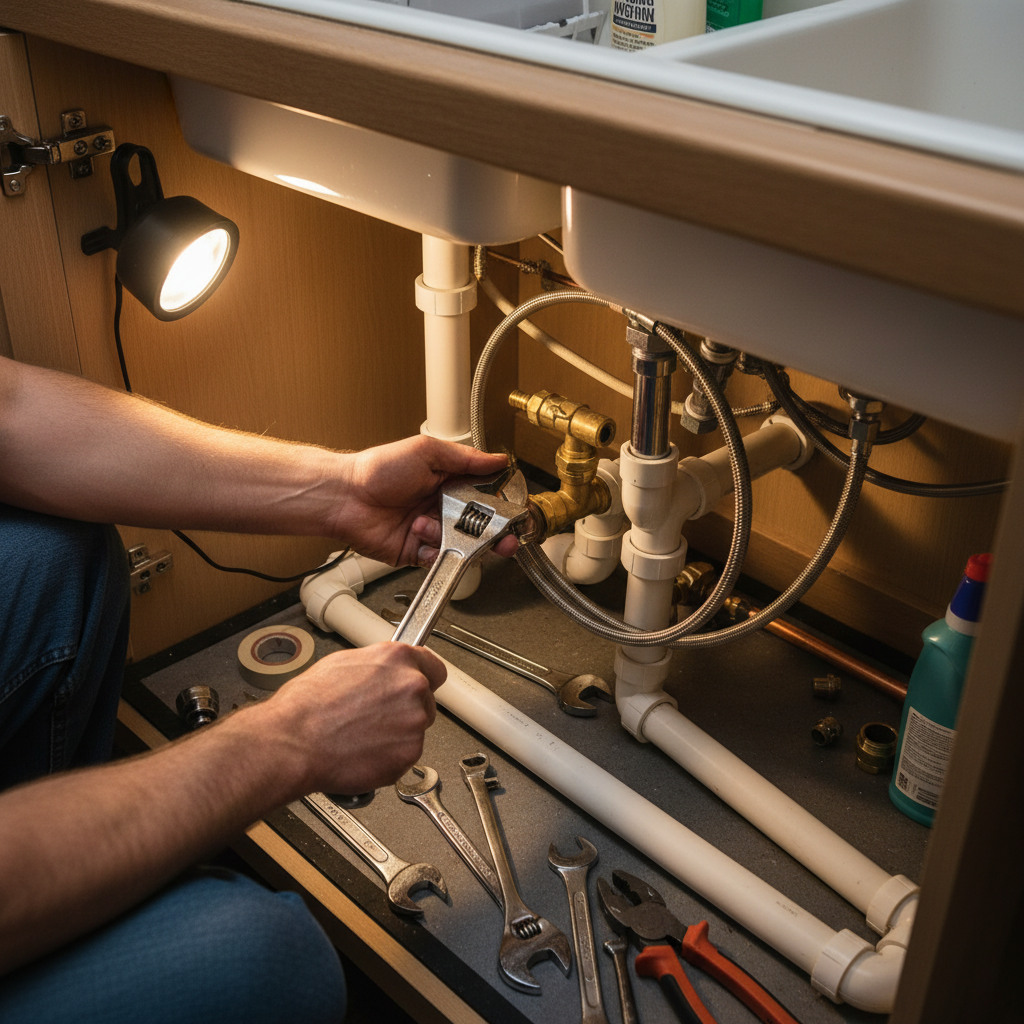
While some preventive measures can be managed by homeowners, professional assistance is often necessary. Licensed plumbers have the expertise to install and maintain backflow prevention devices effectively, ensuring compliance with local regulations.
Regulations and Compliance in California
California has stringent regulations regarding backflow prevention to protect public health. Homeowners are required to comply with state and local codes, which often include mandatory installation of backflow prevention assemblies and regular testing.
Staying Informed
Staying informed about the latest regulations and technologies in backflow prevention is essential. Homeowners can consult with local water authorities and professional plumbers to ensure they are up-to-date with compliance requirements.
By understanding the risks and taking proactive steps, California homeowners can effectively prevent backflow issues, protecting both their families and the broader community.