
Expert Insights: The Importance of Regular Backflow Testing


Understanding Backflow and Its Risks
Backflow is the unwanted reversal of water flow in a plumbing system, which can lead to contamination of clean water supplies. This occurs when there is a significant change in water pressure, allowing potentially harmful substances to enter the water system. With the increasing complexity of plumbing systems, regular backflow testing has become a critical safety measure for both residential and commercial properties.
Contaminated water can pose serious health risks, making backflow prevention a matter of public safety. Municipalities often require regular testing to comply with health and safety regulations, ensuring that water supplies remain clean and safe for consumption.
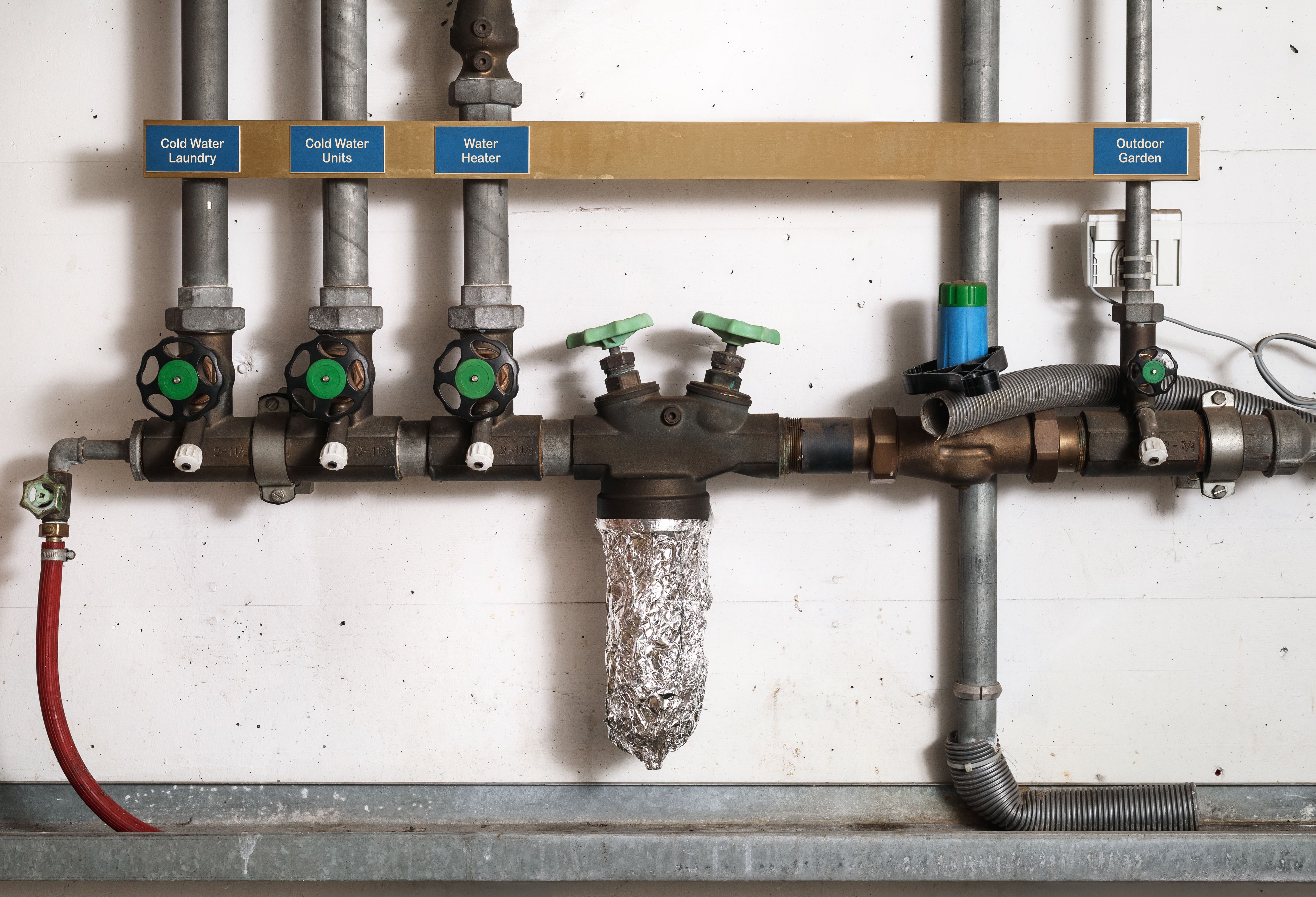
The Mechanism of Backflow Prevention
Backflow prevention devices are designed to maintain the purity of water supplies by blocking any reverse flow. These devices, such as double check valves and reduced pressure zone assemblies, are installed at key points in plumbing systems. They are essential in safeguarding water quality, especially in areas where cross-connections could occur.
Regular backflow testing ensures these devices function correctly. Over time, components can wear out or become damaged, which might compromise their effectiveness. Testing identifies potential issues before they become major problems, protecting both property owners and the wider community.

Why Regular Testing Is Essential
Regular backflow testing is not just a legal obligation but also a proactive measure to ensure health and safety. Testing should be conducted annually, or more frequently in areas with high risk. Here’s why it’s important:
- Preventing Contamination: Early detection of faults prevents contamination before it occurs.
- Compliance with Regulations: Many local governments mandate regular testing to comply with health standards.
- Cost Savings: Detecting issues early can save on costly repairs and potential fines.
Choosing a Qualified Tester
It is crucial to hire certified professionals for backflow testing. Qualified experts have the training and equipment necessary to accurately assess and service backflow prevention devices. They provide detailed reports and recommendations, ensuring that your system meets all regulatory requirements.
Engaging a professional not only offers peace of mind but also ensures that any repairs or adjustments are made correctly. A certified tester can identify specific needs for your system and offer tailored solutions to maintain optimal safety standards.

Steps to Ensure Effective Backflow Testing
To ensure effective backflow testing, follow these steps:
- Schedule tests annually, adhering to local regulations.
- Choose a certified and experienced testing professional.
- Review the test report thoroughly and address any issues promptly.
- Keep records of all tests and repairs for compliance verification.
By adhering to these guidelines, property owners can maintain a safe and compliant water system, contributing to overall public health and safety.