
How to Identify and Prevent Backflow Issues in Your Home


Understanding Backflow
Backflow is a plumbing issue that occurs when water flows in the reverse direction, potentially contaminating your clean water supply. This can happen due to changes in pressure, and it's a common problem in many households. Identifying and preventing backflow is crucial to maintaining a safe and healthy home environment.
When backflow occurs, contaminants like chemicals, bacteria, and other hazardous materials can enter your water system. Understanding the causes and solutions is key to keeping your water safe.
Identifying Backflow Issues
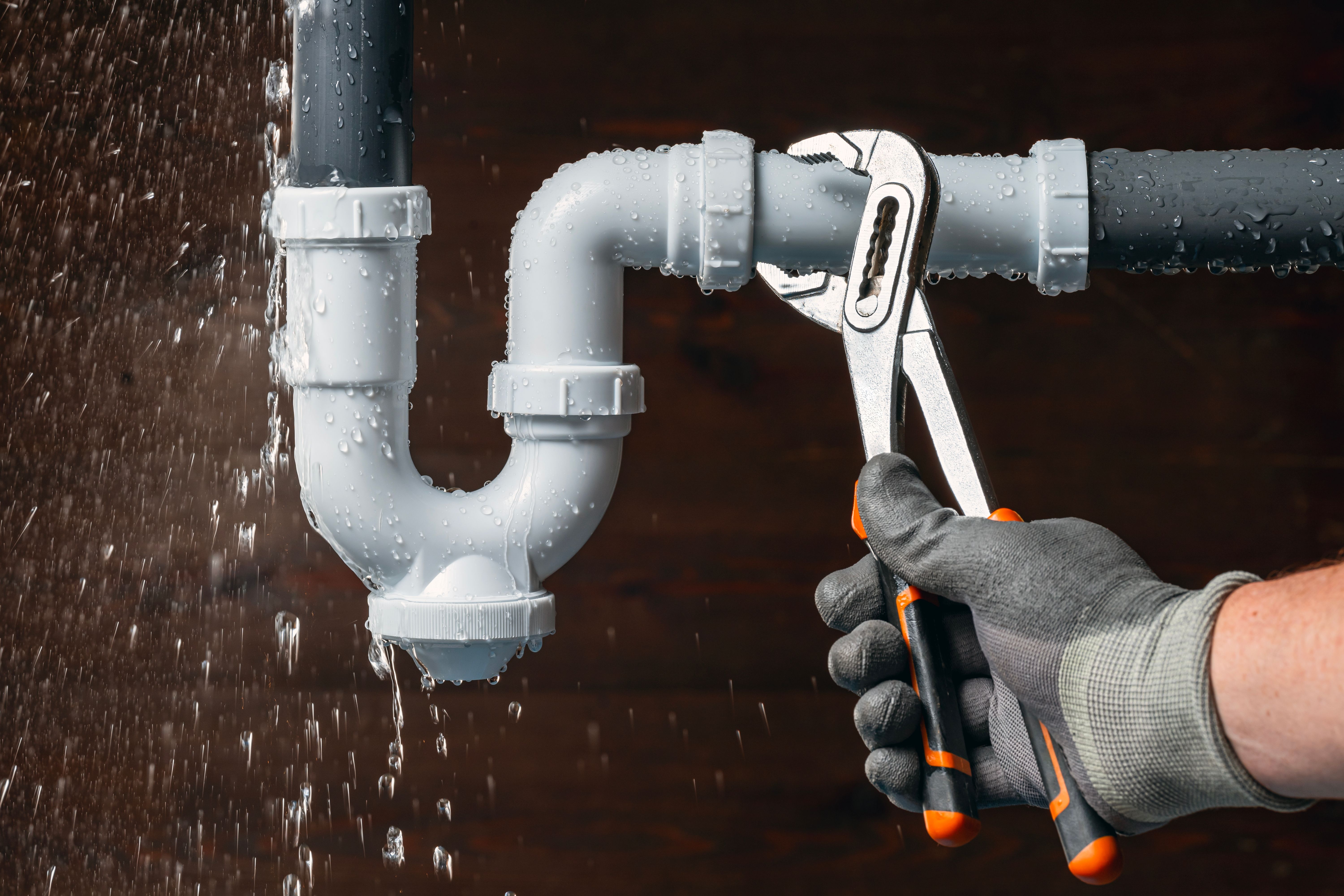
There are several signs that may indicate a backflow problem in your home. Look out for unusual changes in water pressure, discolored water, or strange odors coming from your faucets. These symptoms can suggest that something is amiss with your plumbing system.
If you notice any of these signs, it's essential to act quickly. Ignoring the issue can lead to more severe problems, including health risks and damage to your plumbing infrastructure.
Causes of Backflow
Backflow can occur due to two main reasons: backpressure and backsiphonage. Backpressure happens when the pressure in your plumbing system exceeds the pressure in the water supply, often due to pumps or heating systems. Backsiphonage occurs when there is a sudden drop in water pressure, causing water to flow backward.
Preventing Backflow
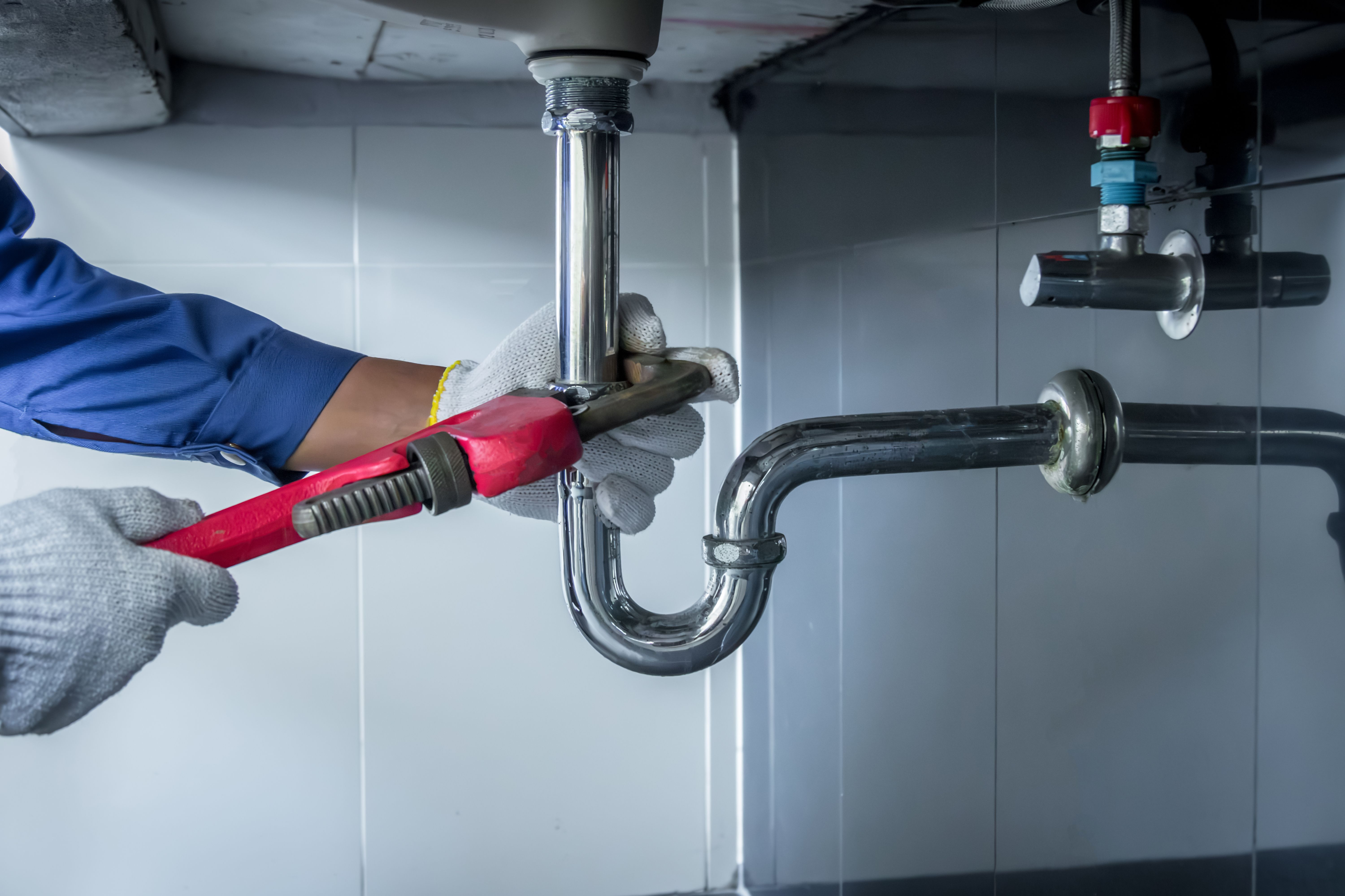
Prevention is the best strategy for dealing with backflow issues. Here are some effective measures you can take:
- Install Backflow Preventers: Devices like pressure vacuum breakers and double-check valves can stop backflow.
- Regular Maintenance: Have your plumbing system inspected regularly by a professional to ensure everything is functioning correctly.
- Be Mindful of Cross-Connections: Avoid connecting hoses or pipes that could allow contaminants to enter your water supply.
Professional Assistance
While some backflow prevention methods can be managed on your own, it's often wise to consult a professional plumber. They can provide expert advice and ensure that your home is equipped with the necessary safeguards.
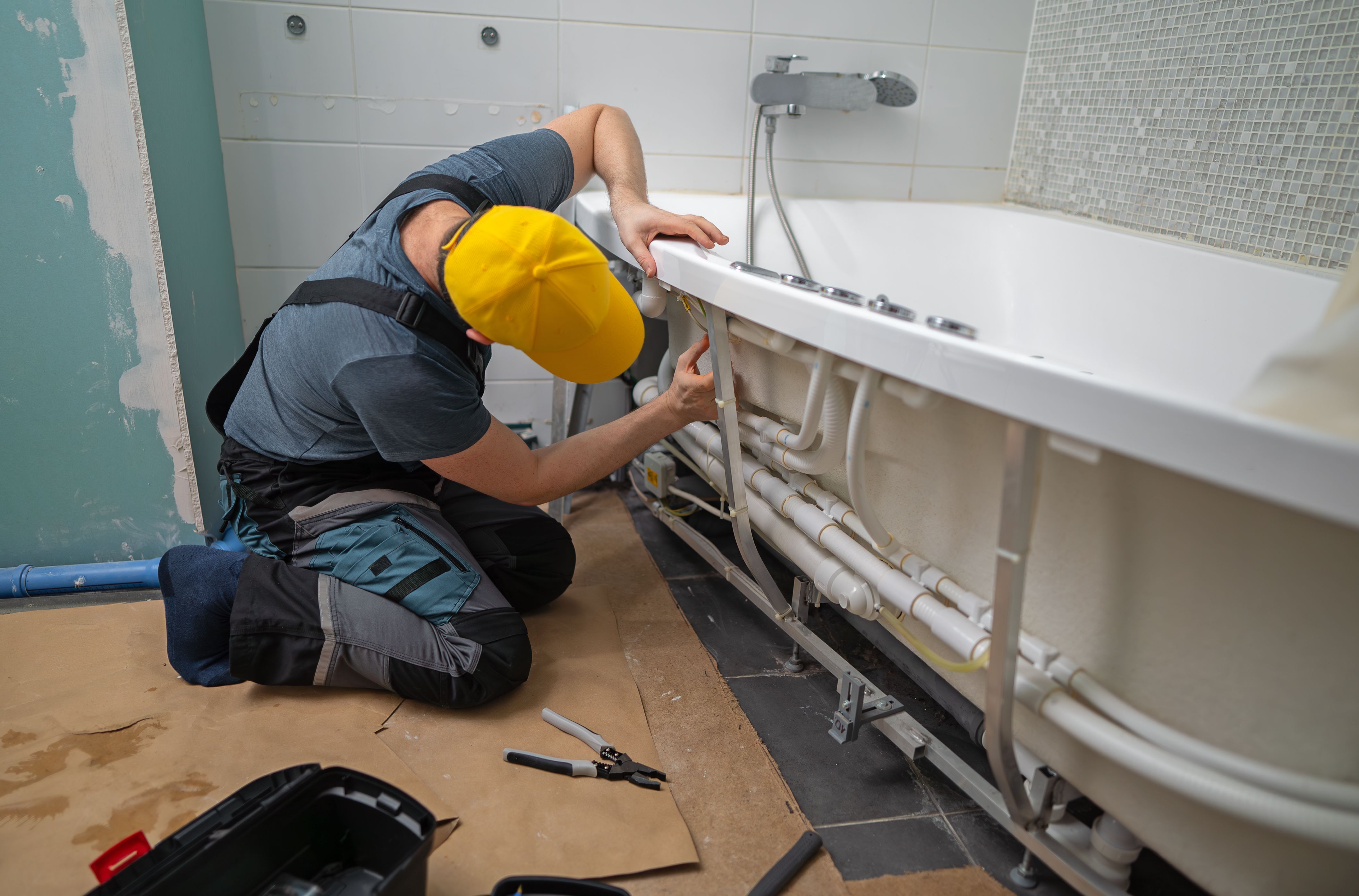
Professional plumbers have the tools and knowledge to identify potential problem areas and address them before they become serious issues. Investing in professional services can save you time and money in the long run.
Conclusion
Backflow issues can pose a significant risk to your home and health, but with the right knowledge and preventive measures, you can keep your water supply safe. Regular maintenance, proper installation of preventers, and professional assistance are key components in safeguarding your home from backflow problems.
By staying vigilant and proactive, you can ensure that your water remains clean and safe for everyday use.