
How to Perform a Backflow Test: A Step-by-Step Guide for San Bernardino Residents


Understanding how to perform a backflow test is essential for San Bernardino residents who want to ensure their water supply remains uncontaminated. Backflow occurs when water flows in the reverse direction, potentially bringing harmful contaminants into the clean water supply. To prevent this, regular backflow testing is crucial.
What is Backflow?
Backflow is a reverse flow of water that can carry pollutants and contaminants into the public water supply. This can happen due to changes in pressure, which might be caused by a burst pipe or increased demand on the water system. Backflow prevention devices are installed to stop this from occurring, but they require regular testing to function correctly.
Why is Backflow Testing Important?
Regular backflow testing ensures that your prevention devices are working properly, safeguarding the quality of your drinking water. In San Bernardino, it's a regulatory requirement for certain properties to have these devices tested annually. Failure to comply can lead to fines and potential health risks.

Preparing for the Test
Check Local Regulations
Before conducting a backflow test, check with local authorities or water suppliers in San Bernardino to understand specific regulations and requirements. This may include obtaining permits or using a certified tester.
Gather Necessary Tools
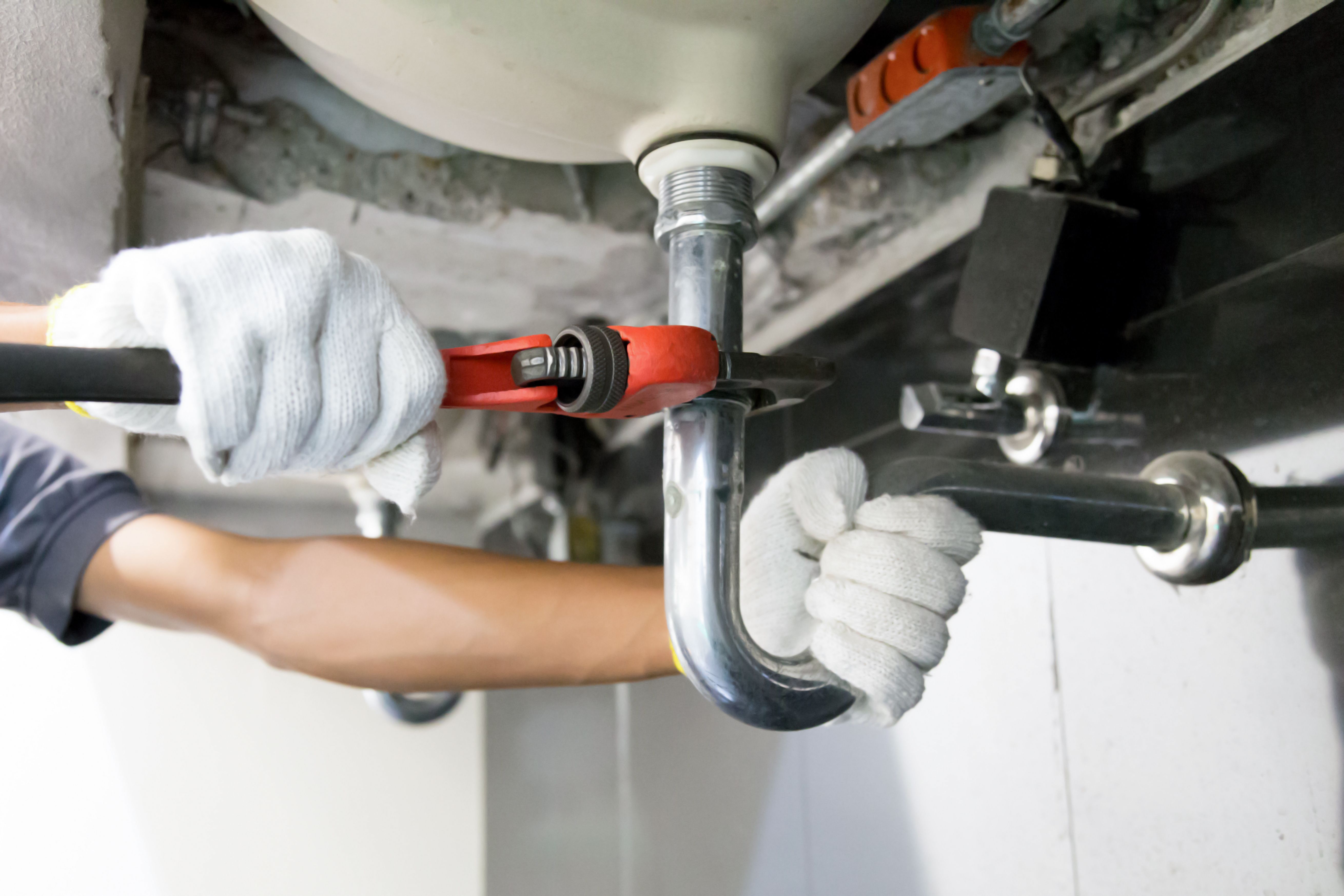
You'll need a few tools to perform the test, including a pressure gauge, a wrench, and possibly a screwdriver. Ensure you have these ready before starting the process.
Performing the Backflow Test
- Locate the Device: Find the backflow prevention device on your property. It is usually installed near the water meter.
- Shut Off Water Supply: Turn off the water supply to prevent any flow during the test.
- Connect the Test Kit: Attach the pressure gauge to the test ports on the device.
- Open Test Valves: Open the test valves slowly to allow water to flow into the gauge.
- Record Readings: Take note of the pressure readings to ensure they meet the required standards.
Interpreting Results
If the pressure readings fall within acceptable ranges, the device is functioning correctly. If not, it may require repair or replacement. Consult a professional if you're unsure about the results or how to proceed.
Conclusion
Performing a backflow test is a crucial task for maintaining water quality in San Bernardino. Regular testing not only complies with regulations but also protects your household from potential contaminants. If you're unfamiliar with the process, consider hiring a certified professional to conduct the test for you.