
How to Prepare for Your Backflow Test: A Step-by-Step Guide


Understanding Backflow Testing
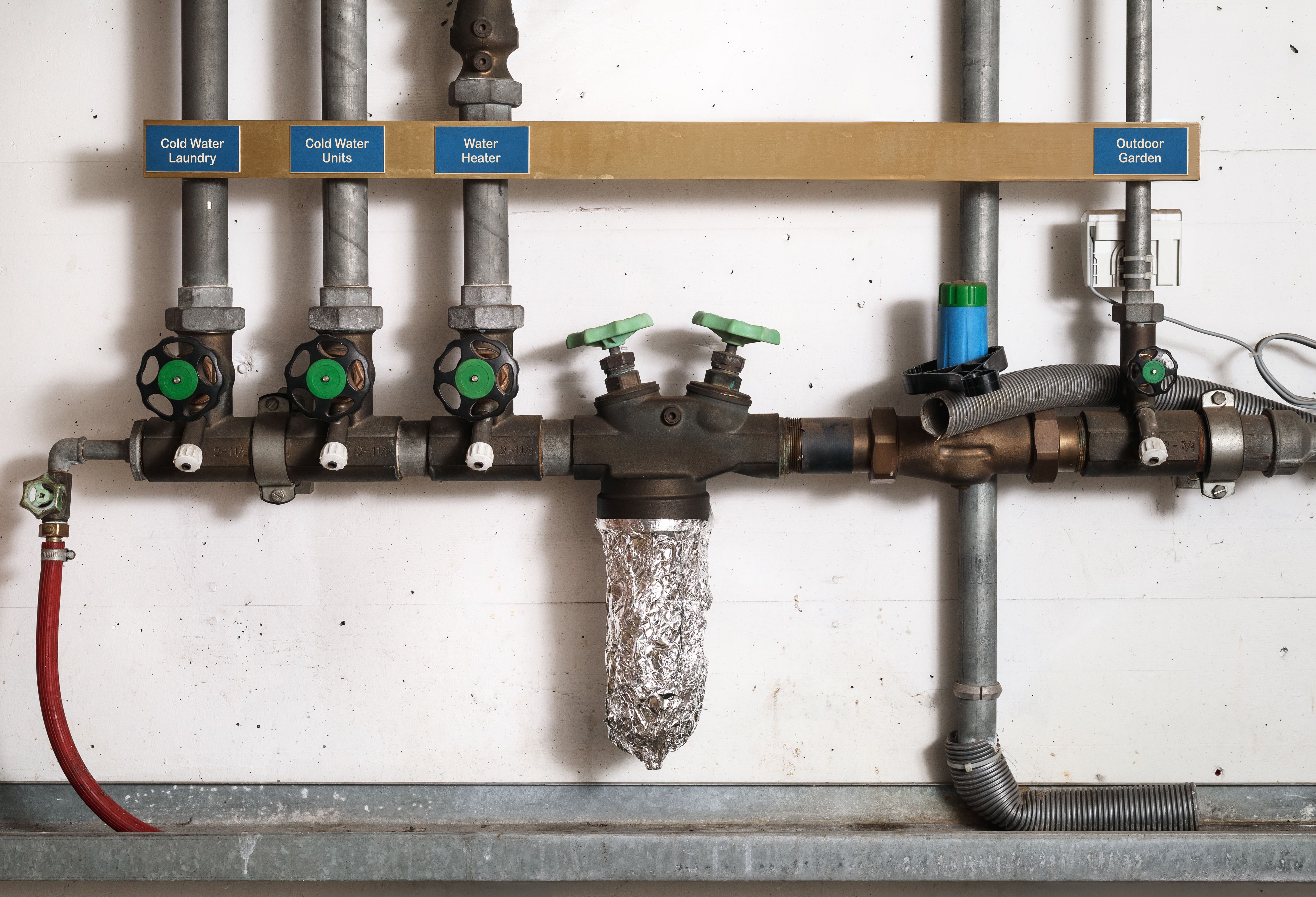
Backflow testing is a crucial process that ensures your water supply remains uncontaminated. It involves checking your backflow prevention device to ensure it is functioning correctly, preventing any unwanted substances from entering the clean water supply. Regular testing is often required by local regulations.
Why Is Backflow Testing Important?
Backflow can lead to contamination of drinking water, which poses significant health risks. By conducting regular tests, you safeguard your water supply and comply with health and safety regulations. This process helps identify any potential issues before they become serious problems.
Preparing for Your Backflow Test
Preparation is key to a smooth backflow testing process. Here’s a step-by-step guide to help you get ready:
Step 1: Know Your Device
First, identify the type of backflow prevention device you have. Common types include reduced pressure zone (RPZ) valves, double check valves, and pressure vacuum breakers. Knowing this will help you communicate effectively with your tester.
Step 2: Schedule Your Test
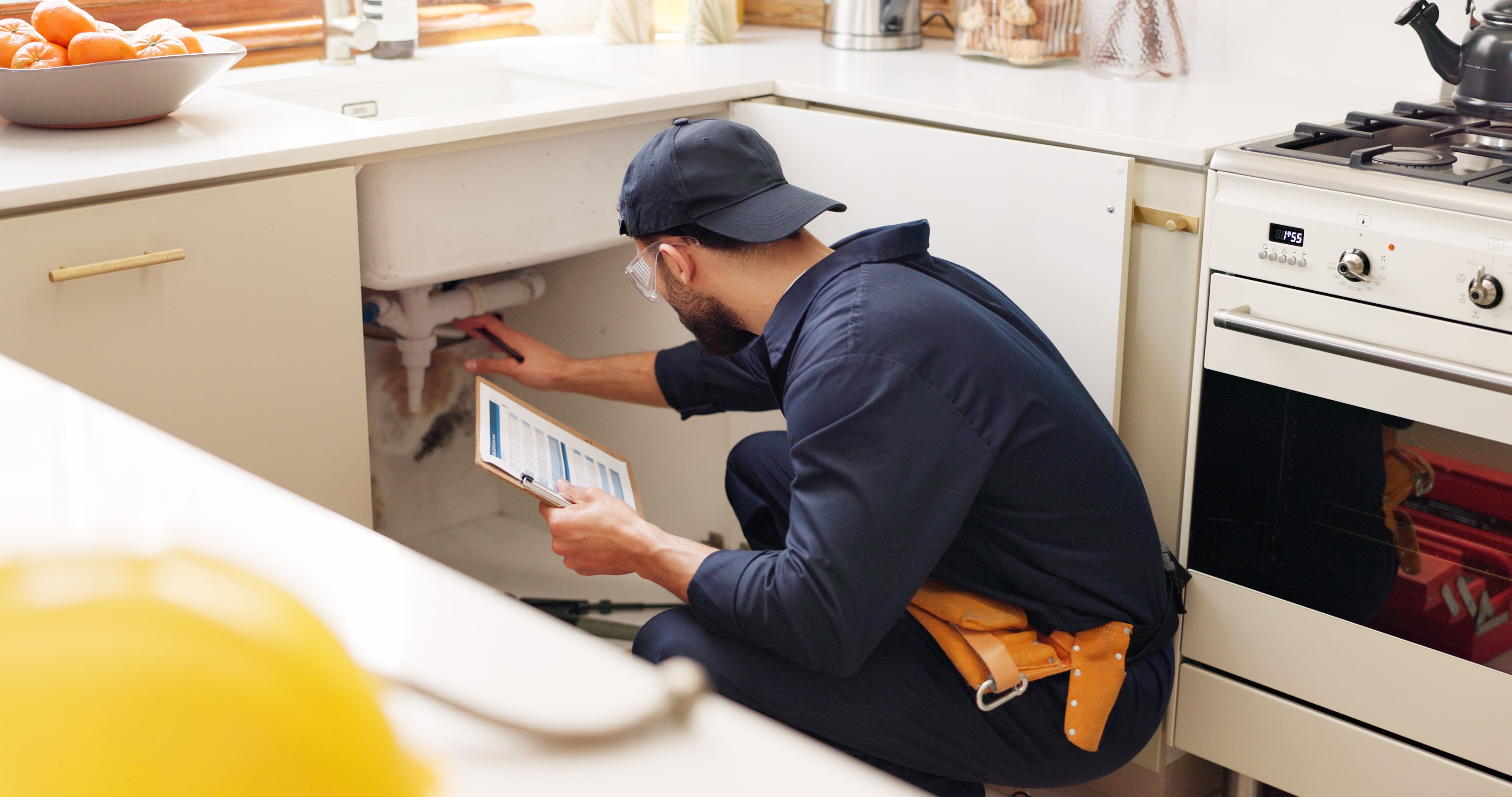
Contact a certified backflow tester to schedule your test. It’s important to choose a professional with the right credentials to ensure accuracy and compliance with local laws. Many areas require annual testing, so mark your calendar accordingly.
- Find a certified tester
- Schedule in advance
- Confirm the appointment
What to Expect on the Day of the Test
On the testing day, ensure that the tester has clear access to the device. Remove any obstructions or debris around the area to facilitate easy access and testing.

Step 3: Inform Your Household or Business
Notify anyone who might be affected by the water shut-off during the test. This includes household members or employees. Planning ahead minimizes inconvenience and ensures everyone is prepared for the temporary disruption.
Step 4: Review Test Results
Once the test is complete, review the results with the tester. They will provide you with a detailed report and recommendations if any repairs or replacements are necessary. Keeping a record of these results is important for future reference and compliance.
- Understand the report
- Ask questions if needed
- Keep documentation
After the Test
After your backflow test, it’s wise to follow through on any maintenance or repairs recommended by the tester. Regular maintenance can prolong the life of your backflow prevention device and ensure ongoing protection of your water supply.
By following these steps, you can ensure a hassle-free backflow testing experience and maintain the integrity of your water system.