
Myth-Busting: Common Misconceptions About Backflow Testing


Backflow testing is an essential process that ensures the safe operation of water systems, yet it is often misunderstood. This post aims to debunk some common myths surrounding backflow testing and highlight its importance in safeguarding public health.
What Is Backflow Testing?
Backflow occurs when water flows backward through the pipes, potentially contaminating the clean water supply. Backflow testing is a preventative measure to ensure that backflow prevention devices are functioning correctly. These devices are crucial in maintaining the integrity of our water systems.
Despite its importance, there are several misconceptions about backflow testing that need to be addressed.
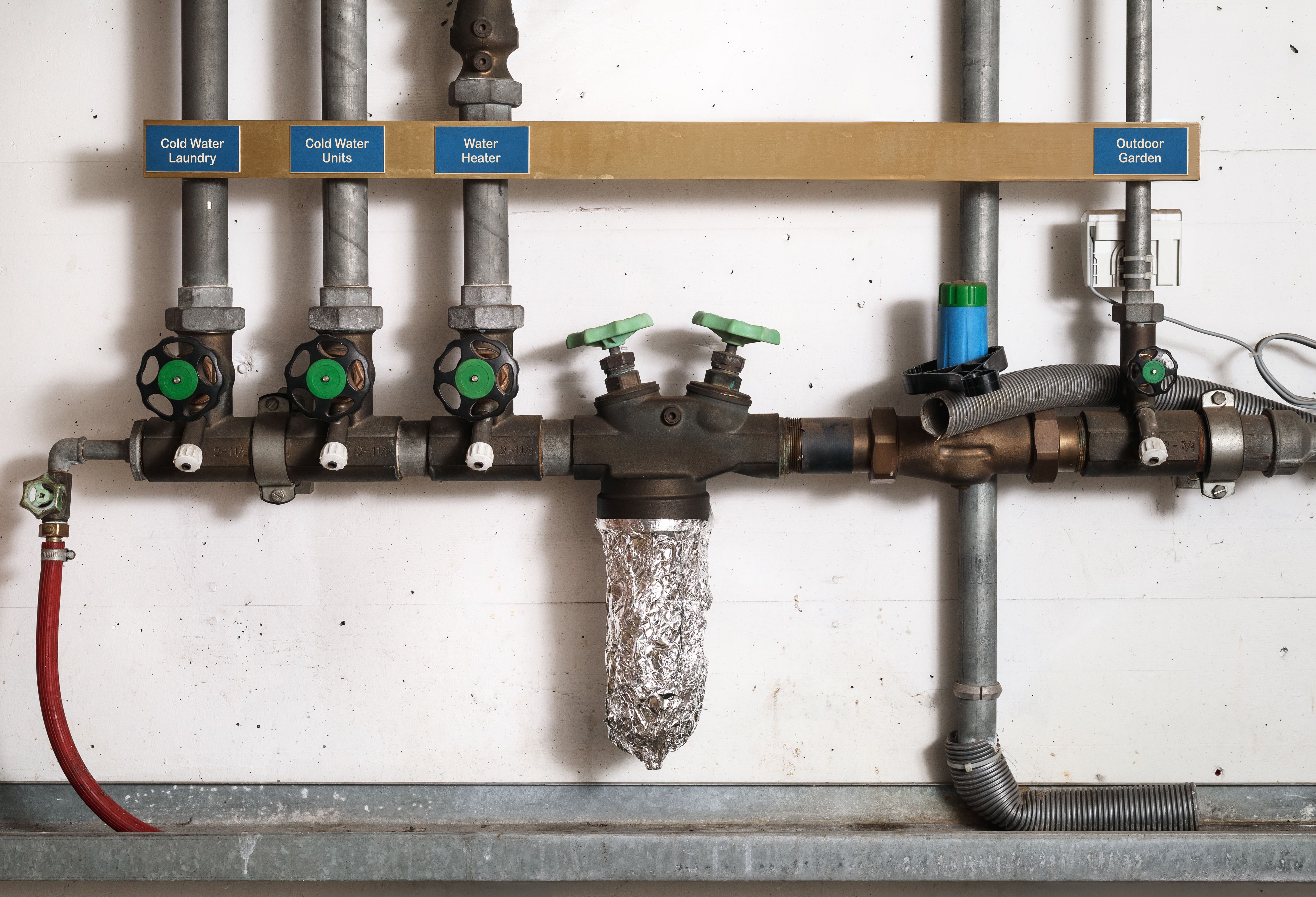
Myth 1: Backflow Testing Is Unnecessary
One of the most common misconceptions is that backflow testing is unnecessary. Many believe that if their water appears clean, there’s no need for testing. However, backflow can introduce contaminants that are not visible to the naked eye, posing significant health risks.
Regular backflow testing ensures that these prevention devices are working as intended, maintaining the safety of the water supply.
Why Regular Testing Is Critical
Most municipalities have regulations requiring annual backflow testing. These tests are not just a bureaucratic formality; they are a critical component of public health safety measures. By complying with these regulations, you protect your household and community from potential hazards.

Myth 2: Backflow Testing Is Expensive
Another misconception is that backflow testing is prohibitively expensive. While there is a cost associated with testing, the expense is minimal compared to the potential costs of a contaminated water supply. Investing in regular testing can save on costly repairs and health-related expenses in the long run.
Many professional services offer competitive rates, and some areas even provide subsidies or assistance programs to help cover the cost.
Cost vs. Consequences
Consider the potential consequences of neglecting backflow testing—contaminated water can lead to severe health issues and expensive property damage. Regular testing is a small price to pay for peace of mind and safety.

Myth 3: Only Commercial Properties Need Testing
It's a common belief that only commercial properties require backflow testing. However, residential properties are equally at risk of backflow issues. Backflow prevention devices are necessary for any system connected to the public water supply, regardless of property type.
Homeowners should be aware of their responsibility to ensure their water systems are safe and compliant with local regulations.
Understanding Your Responsibility
Whether you own a commercial or residential property, it’s crucial to understand your responsibility in maintaining the safety and integrity of your water system. Regular backflow testing is a proactive step every property owner should take.

By debunking these myths, we hope to highlight the importance of regular backflow testing. It’s not just about compliance; it’s about ensuring the health and safety of everyone who relies on a clean water supply. Let’s keep our water systems safe and reliable through timely and regular backflow testing.