
The Impact of Local Regulations on Backflow Testing in California


Understanding Backflow and Its Importance
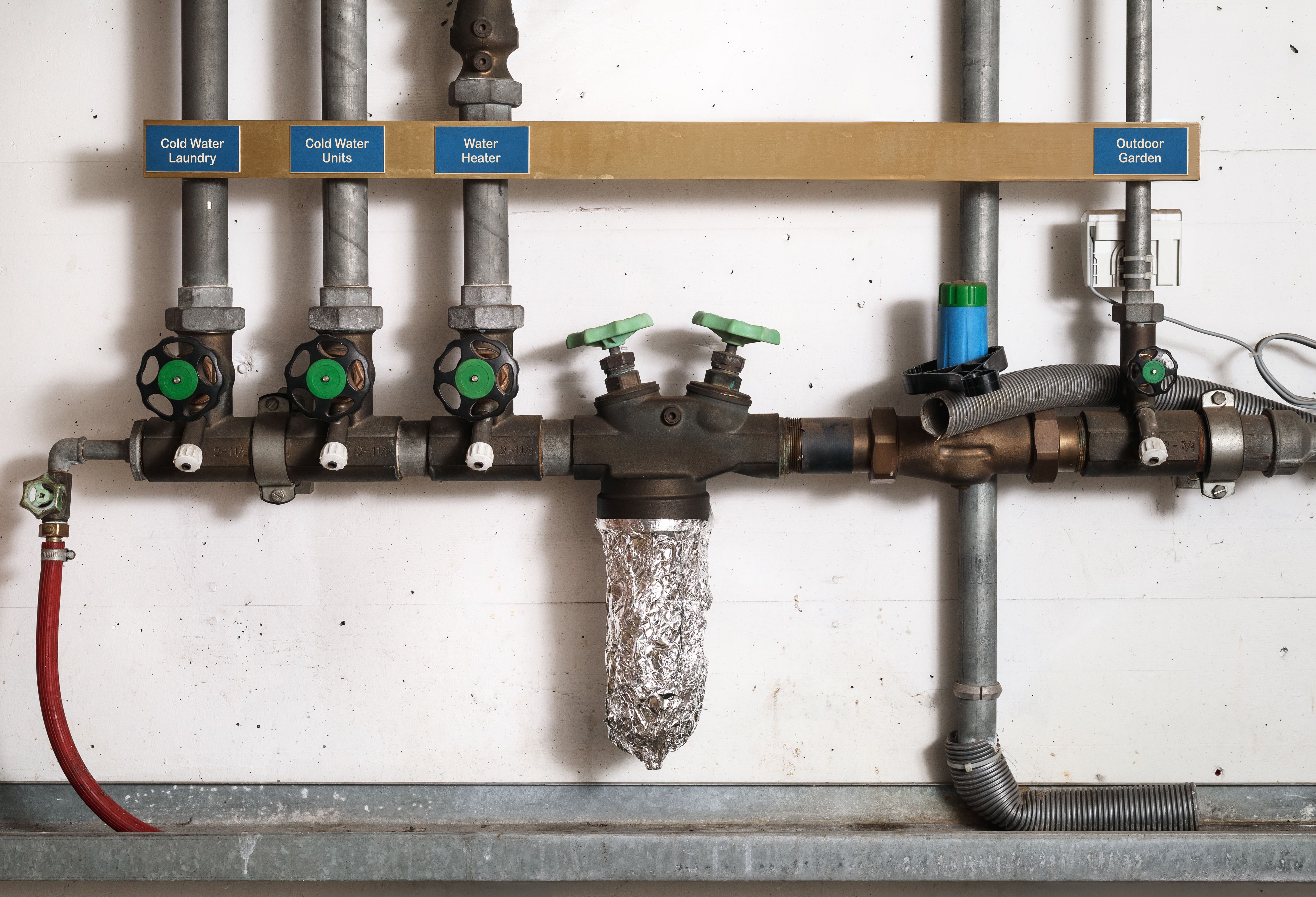
Backflow is the undesirable reversal of water flow in a plumbing system, which can lead to contaminants entering the clean water supply. This poses significant health risks, making regular backflow testing essential. In California, local regulations play a crucial role in ensuring that backflow prevention devices are properly maintained and tested.
California's Stringent Regulations
California has some of the most stringent regulations regarding backflow prevention. These rules are designed to protect public health by ensuring that water service providers and property owners adhere to strict standards. Local agencies are tasked with enforcing these regulations, making regular inspections and testing mandatory.
Compliance with these regulations is not optional. Businesses and homeowners must ensure their backflow prevention devices are tested annually by a certified tester. Failing to comply can result in fines and potential water supply disruptions.
The Role of Local Agencies
Local water agencies in California are responsible for overseeing backflow prevention programs. These agencies provide guidelines and resources to help property owners understand their obligations. They also maintain a list of certified testers and ensure that testing is conducted in a timely manner.

By working closely with certified testers, local agencies ensure that all devices meet the required standards. This collaboration is vital for maintaining the safety and integrity of the water supply.
Challenges Faced by Property Owners
While the regulations are in place to protect public health, they can present challenges for property owners. The cost of testing and maintaining devices can be significant, especially for businesses with multiple properties. Additionally, navigating the regulatory landscape can be complex, requiring clear communication and understanding of the local requirements.

Benefits of Compliance
Despite the challenges, compliance with backflow testing regulations offers several benefits. It ensures the safety of the community's water supply, protecting public health and preventing costly contamination incidents. Additionally, regular testing and maintenance can extend the lifespan of backflow prevention devices, reducing long-term costs.
- Ensures community health and safety
- Prevents costly contamination incidents
- Extends the lifespan of devices
Choosing a Certified Tester
Selecting a certified tester is crucial for compliance. Property owners should verify the credentials of testers and ensure they are approved by local agencies. This guarantees that the testing is conducted properly and meets all regulatory requirements.
By staying informed and proactive, property owners can navigate the complexities of local regulations and ensure the safety and reliability of their water supply.