
The Importance of Backflow Prevention for San Bernardino Businesses


Understanding Backflow and Its Risks
Backflow occurs when water flows in the reverse direction from its intended course, potentially contaminating clean water supplies. In a bustling area like San Bernardino, where businesses rely heavily on clean water for daily operations, the risk of backflow can pose significant health and safety concerns.
The consequences of backflow can be severe, leading to contamination of drinking water with harmful bacteria, chemicals, and other pollutants. This can impact not only the business itself but also the wider community.

Why Backflow Prevention Is Essential
For businesses in San Bernardino, backflow prevention is not just a regulatory requirement; it is a crucial measure to safeguard public health. Implementing effective backflow prevention systems ensures that water remains safe and clean for all users.
Backflow prevention devices are designed to keep contaminants out of the water supply, protecting both employees and customers. These devices are especially important for industries that handle hazardous materials, such as restaurants, healthcare facilities, and manufacturing plants.
Types of Backflow Prevention Devices
There are several types of backflow prevention devices available, each suited to different needs and levels of risk. Selecting the right device is essential for effective protection.
- Air Gap: A simple and effective method, involving a physical separation between the water supply and potential contaminants.
- Reduced Pressure Zone (RPZ) Valve: Offers advanced protection by maintaining a constant pressure differential to prevent backflow.
- Double Check Valve Assembly: Uses two check valves to provide a reliable barrier against backflow.
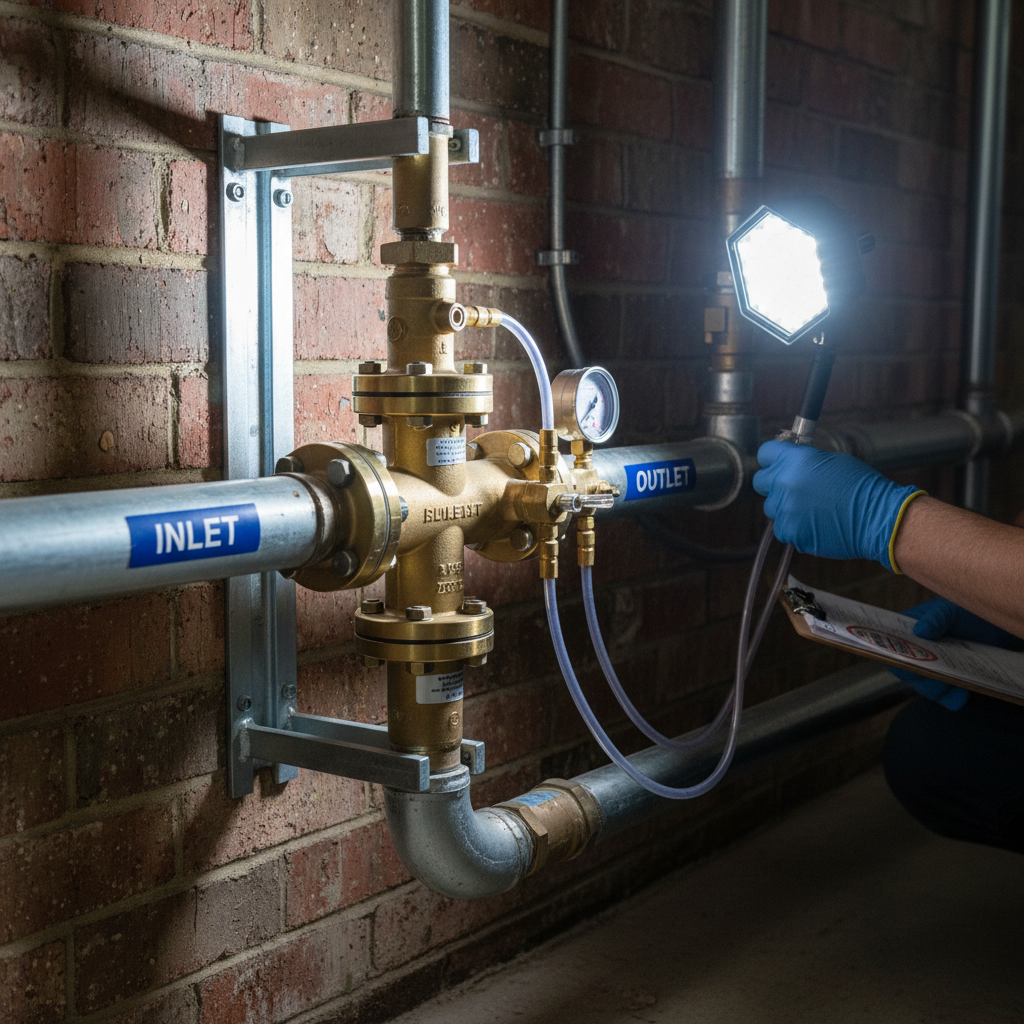
Regulatory Compliance and Testing
Compliance with backflow prevention regulations is mandatory for businesses in San Bernardino. Regular testing and maintenance of backflow prevention devices are required to ensure they function correctly. These measures not only meet legal standards but also reinforce a business’s commitment to health and safety.
Certified professionals should conduct annual inspections to identify any potential issues and ensure devices are up to code. This proactive approach can prevent costly repairs and avoid potential fines.
Benefits of Investing in Backflow Prevention
Investing in backflow prevention systems offers numerous benefits. It provides peace of mind, knowing that the water supply is protected from contamination. Furthermore, it demonstrates a business's dedication to maintaining high standards of health and safety.
By preventing backflow, businesses can avoid costly disruptions and potential legal liabilities that may arise from water contamination incidents. This investment not only protects the business but also strengthens its reputation within the community.

Conclusion
Backflow prevention is a critical aspect of maintaining a safe and healthy environment for San Bernardino businesses. By understanding the risks and implementing the right devices, businesses can protect their water supply, ensure compliance with regulations, and demonstrate a commitment to public safety.
For businesses unsure about their current backflow prevention measures, consulting with a professional can provide valuable insights and recommendations tailored to their specific needs.