
Top Tips for Preparing Your Property for Seasonal Backflow Testing


Understanding the Importance of Backflow Testing
Seasonal backflow testing is essential for maintaining the safety and quality of your water supply. Backflow occurs when water reverses direction, potentially allowing contaminants to enter your clean water system. Regular testing ensures your property complies with local regulations and helps prevent health hazards.
Preparing your property for backflow testing doesn't have to be daunting. By following a few simple steps, you can ensure the process goes smoothly and efficiently.

Inspect Your Backflow Prevention Devices
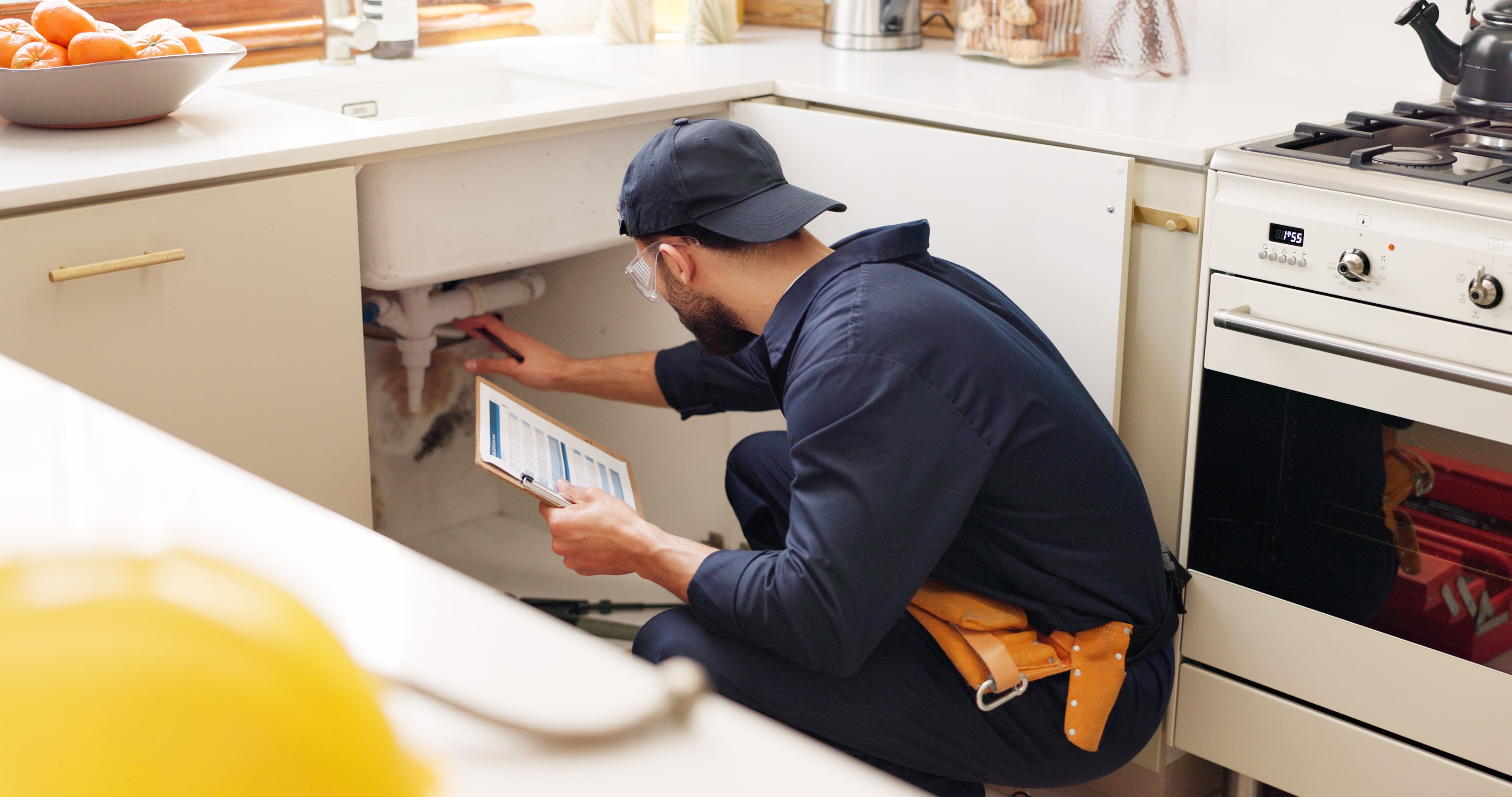
The first step in preparation is to inspect your backflow prevention devices. Check for any visible signs of damage or wear. Look for leaks, rust, or other issues that might affect the device's functionality. It's crucial that these devices are in good working order before testing begins.
If you notice any problems during your inspection, consider contacting a professional plumber to address these issues. This proactive approach can save time and ensure that your devices pass the test without complications.
Schedule Your Testing Appointment
Once your devices are inspected, schedule your backflow testing appointment. It's best to do this well in advance, as testing services might be in high demand during peak seasons. Early scheduling ensures you get a convenient time slot and minimizes disruption to your daily routine.
Make sure to choose a certified backflow tester. They will have the necessary expertise and equipment to conduct the test accurately and efficiently.
Clear Access to Testing Areas
Before the tester arrives, ensure that the areas around your backflow devices are clear and accessible. Remove any clutter, vegetation, or obstacles that might impede the tester's work. Easy access allows the tester to perform their duties quickly and safely.
This preparation step not only helps the tester but also reduces the time taken for the testing process, making it more convenient for you.
Understand the Testing Process
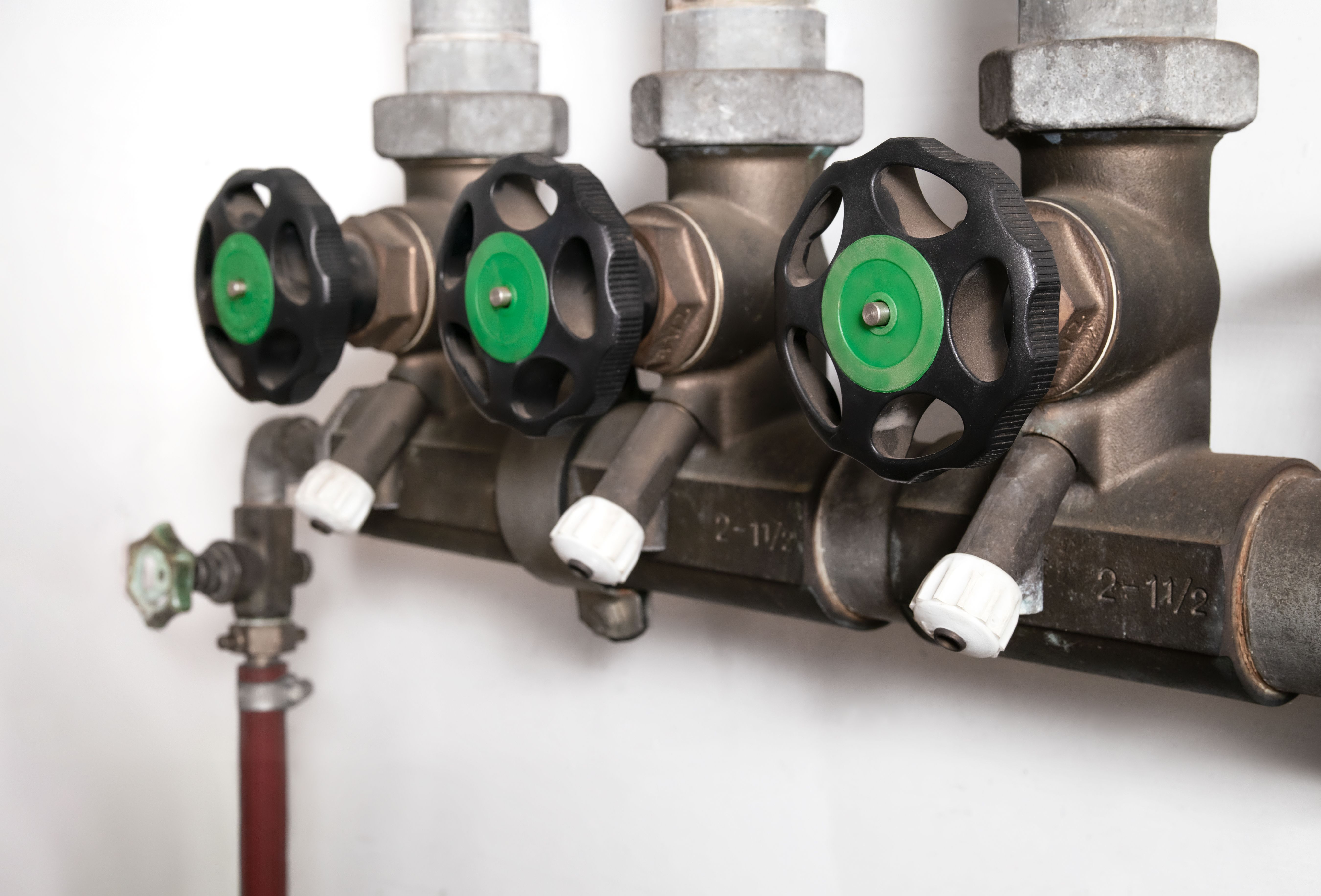
Familiarize yourself with the testing process to know what to expect. Typically, the tester will shut off the water supply briefly, check the devices for leaks or failures, and ensure they are functioning correctly. Understanding these steps can help you prepare for any temporary disruptions.
Being informed allows you to ask relevant questions and ensure the process meets your property’s needs. It also provides peace of mind as you know exactly what the testing entails.
Keep Records and Documentation
After the test, make sure to obtain a copy of the test results and any related documentation. Keeping accurate records is important for future reference and compliance with local regulations. These documents will be useful if any issues arise or for your next scheduled test.
Organizing your records can save you time and stress by providing easy access to essential information whenever needed.

Regular Maintenance and Follow-Up
Finally, consider regular maintenance and follow-up checks for your backflow prevention devices. Routine maintenance can prevent issues from developing and ensure your devices remain in optimal condition between tests.
By staying proactive, you safeguard your property and contribute to the overall safety of the community’s water supply.