
Understanding the Importance of Regular Backflow Testing for Your Home


What is Backflow and Why Does It Matter?
Backflow is a term used to describe the unwanted reversal of water flow in a plumbing system, which can potentially lead to contamination of the clean water supply. This can occur when there is a sudden change in water pressure, causing water to flow backward in the system.
Understanding the risks associated with backflow is crucial because it can introduce harmful substances into your water, such as chemicals, bacteria, and other contaminants. Regular backflow testing helps ensure the safety and quality of your water supply.
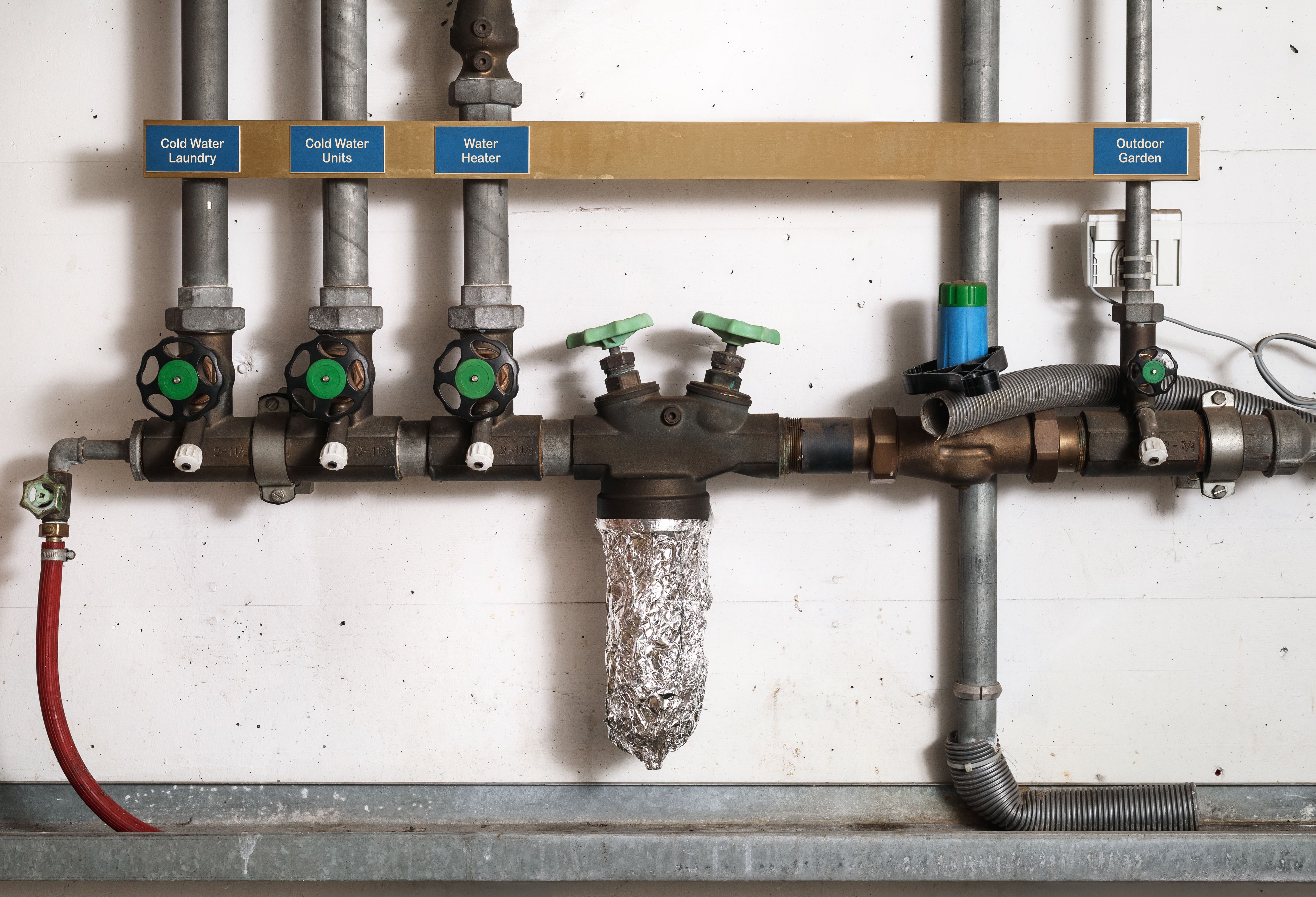
The Mechanics Behind Backflow
Backflow typically happens in two ways: backpressure and backsiphonage. Backpressure occurs when the pressure in your system exceeds the pressure in the water supply line, while backsiphonage happens when there is a drop in the supply line pressure. Both scenarios can pose significant health risks if not addressed promptly.
Homes with irrigation systems, swimming pools, or complex plumbing arrangements are particularly susceptible to backflow issues. Regular testing and maintenance can help mitigate these risks.
The Benefits of Regular Backflow Testing
Regular backflow testing is essential for maintaining the integrity of your home's water supply. Here are some key benefits:
- Health Protection: Ensures that your drinking water remains free from contaminants.
- Compliance: Helps adhere to local regulations and standards for water safety.
- Cost Savings: Prevents costly repairs and potential fines associated with backflow incidents.
How Often Should Backflow Testing Be Conducted?
The frequency of backflow testing can vary based on local regulations and the specific setup of your plumbing system. However, most municipalities recommend annual testing to ensure ongoing protection and compliance.
Consulting with a certified professional can provide guidance tailored to your home’s specific needs, ensuring optimal water safety.
Choosing a Qualified Professional
When selecting a professional for backflow testing, it's important to choose someone who is certified and experienced in handling these systems. A qualified technician will not only perform the test but also offer advice on maintaining your system effectively.
What to Expect During a Backflow Test
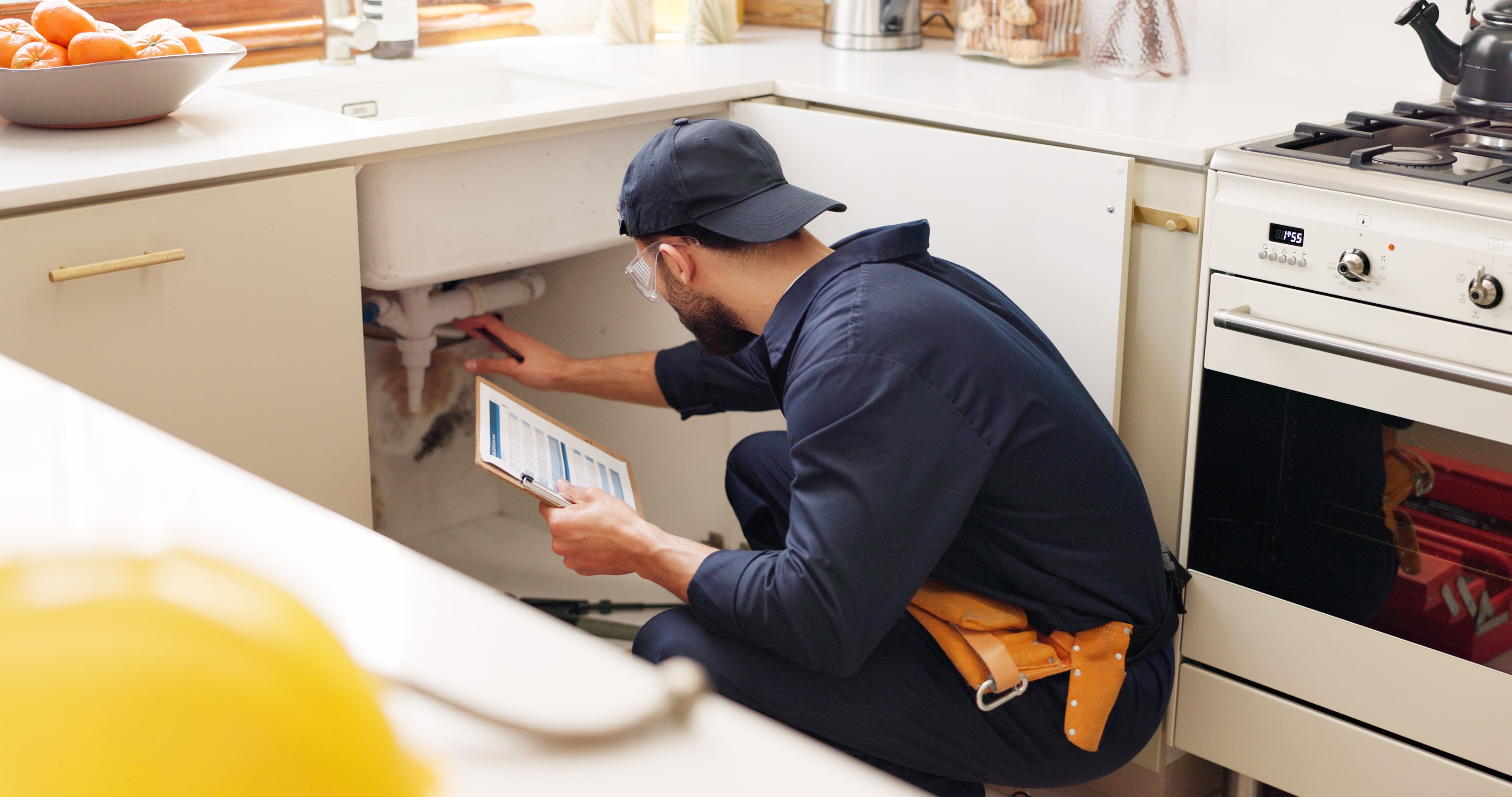
During a backflow test, the technician will assess the integrity of your backflow prevention devices and ensure they are functioning correctly. The process usually involves checking for leaks, pressure issues, and any signs of wear or damage.
After the test, the technician will provide a detailed report on the findings and recommend any necessary repairs or maintenance actions.
Taking Proactive Steps for Water Safety
Investing in regular backflow testing is a proactive approach to safeguarding your home and family. By staying informed and compliant, you can enjoy peace of mind knowing that your water supply is protected from potential hazards.
Don't wait for a problem to arise—schedule your backflow test today to ensure a safe and healthy home environment.