
Understanding the Steps in a Backflow Test: A San Bernardino Guide


Maintaining a safe and clean water supply in San Bernardino is crucial. One of the essential procedures to ensure this is the backflow test. This test prevents contamination and keeps drinking water safe by ensuring that water flows in the intended direction.
Let's dive into the steps involved in a backflow test and why it's vital for your home or business.
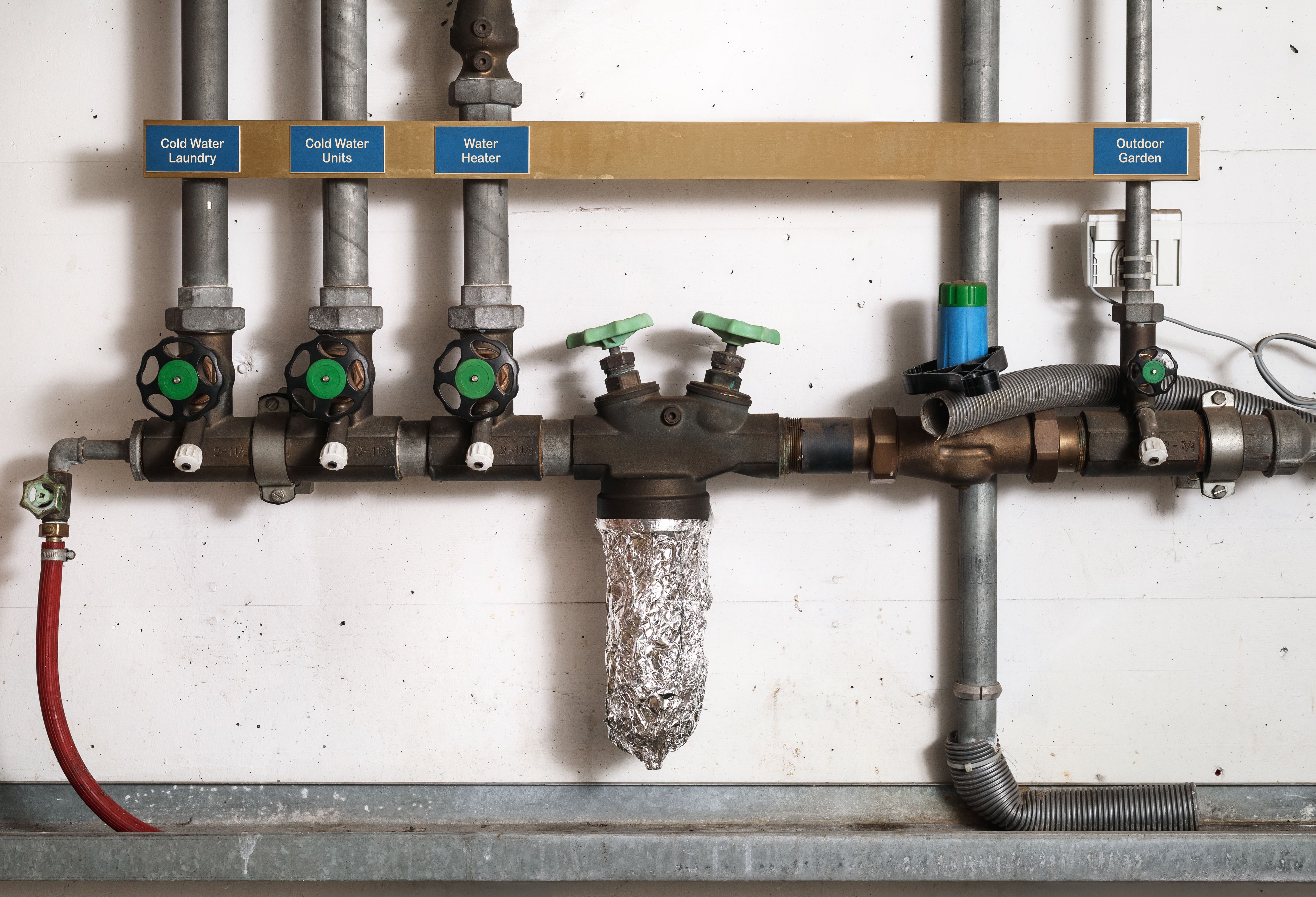
What is Backflow?
Backflow occurs when water flows in the opposite direction, potentially carrying contaminants into clean water supplies. This can happen due to changes in pressure, and it poses a risk to health and safety. That's why regular backflow testing is a critical component of water management.
Why is Backflow Testing Necessary?
Backflow testing is required to ensure that backflow prevention devices are functioning correctly. These devices are installed to stop contaminated water from flowing into the potable water system. Regular testing helps in identifying any issues early, preventing potential health hazards.
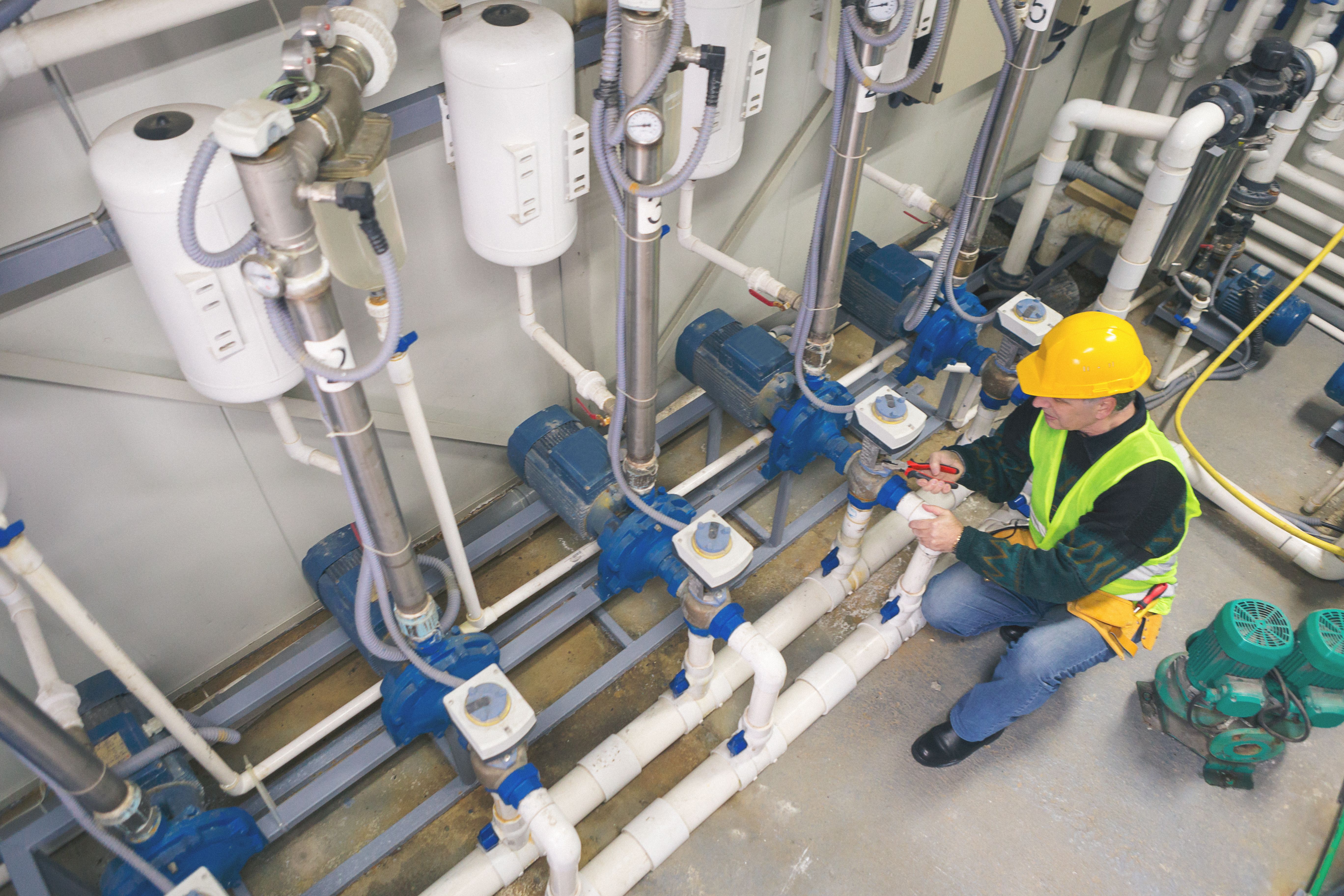
Steps in a Backflow Test
Step 1: Initial Inspection
The first step in a backflow test involves a visual inspection of the backflow prevention device. A certified tester checks for any visible damage or signs of wear and tear. This inspection helps in determining if the device is in good working condition or needs repair.
Step 2: Device Testing
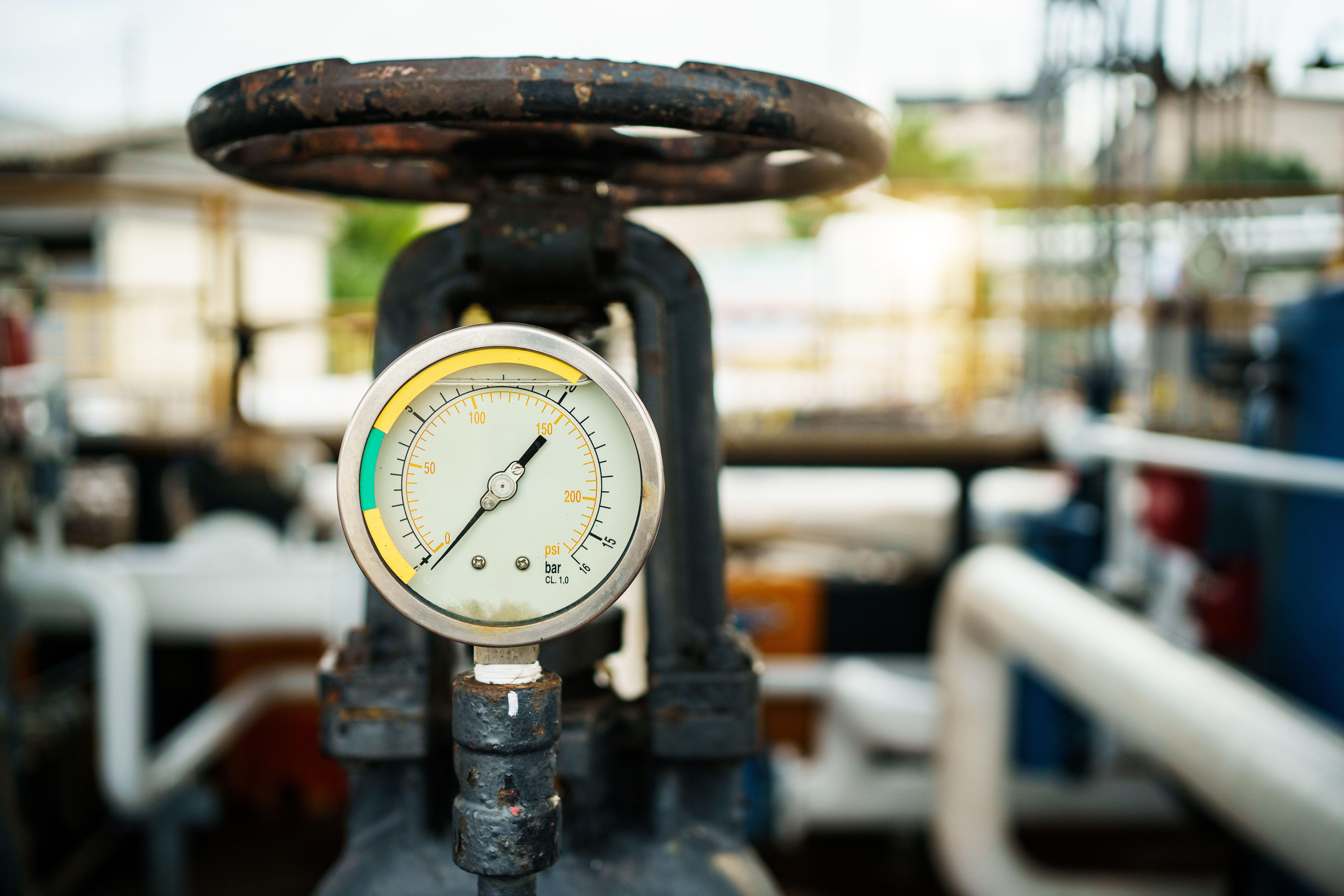
After the initial inspection, the tester uses specialized equipment to measure and record the pressure levels in the device. This step ensures that the device can handle pressure changes without allowing backflow. The results are documented for further analysis.
Step 3: Reporting the Results
Once the test is complete, the tester provides a detailed report. This report includes the condition of the device, test results, and any recommendations for repairs or replacements. It's essential to keep these records for compliance with local regulations.
Ensuring Compliance
In San Bernardino, compliance with backflow testing regulations is vital. Property owners must ensure that their devices are tested annually by certified professionals. Failure to comply can result in fines or penalties, so it's essential to stay informed and proactive.

Choosing a Certified Tester
When selecting a tester, it's crucial to choose a certified and experienced professional. They should be familiar with local regulations and have a track record of reliable service. This ensures that your backflow prevention devices are in safe hands.
In conclusion, understanding the steps in a backflow test helps you maintain a safe water supply. Regular testing by certified professionals ensures that your systems are in top condition, protecting your health and the community.